Moldeo por inyección de PVC
- Inicio
-  / Material / 
- Moldeo por inyección de PVC
PVC Injection Moulding: The Versatile Material for Demanding Applications
1. Introduction: The Ubiquitous Thermoplastic
Polyvinyl Chloride (PVC) stands as one of the world’s most versatile and widely used thermoplastics, with global production exceeding 40 million tons annually. First polymerized in the early 20th century, PVC has evolved into a material of extraordinary adaptability, finding applications from life-saving medical devices to durable construction materials. Unlike conventional thermoplastics, PVC requires specialized processing knowledge due to its unique thermal sensitivity and material characteristics. This comprehensive guide explores the intricate world of PVC injection moulding, examining material formulations, processing challenges, equipment requirements, and application-specific considerations that make PVC both a challenging and rewarding material for manufacturers.
PVC’s journey from laboratory curiosity to industrial workhorse demonstrates how proper formulation and processing can transform a sensitive polymer into products that serve virtually every sector of modern industry. From rigid pipe fittings that last decades to flexible medical tubing that saves lives, PVC’s versatility continues to expand through ongoing material science innovations and processing advancements.
2. Material Science: Understanding PVC Formulations
Chemical Fundamentals:
PVC is produced through the polymerization of vinyl chloride monomer (VCM), resulting in a polymer that’s approximately 57% chlorine by weight. This high chlorine content gives PVC several unique properties including inherent flame retardancy and good chemical resistance.
PVC Compound Formulations:
| Component | Purpose | Typical Percentage | Notes |
|---|---|---|---|
| PVC Resin | Base polymer | 50-90% | K-value indicates molecular weight |
| Plasticizers | Flexibility control | 0-60% | Phthalates, adipates, trimellitates |
| Stabilizers | Thermal protection | 1-5% | Lead, tin, calcium-zinc based |
| Lubricants | Processing aid | 0.5-2% | Internal/external, processing aids |
| Fillers | Cost reduction | 0-40% | Calcium carbonate, talc |
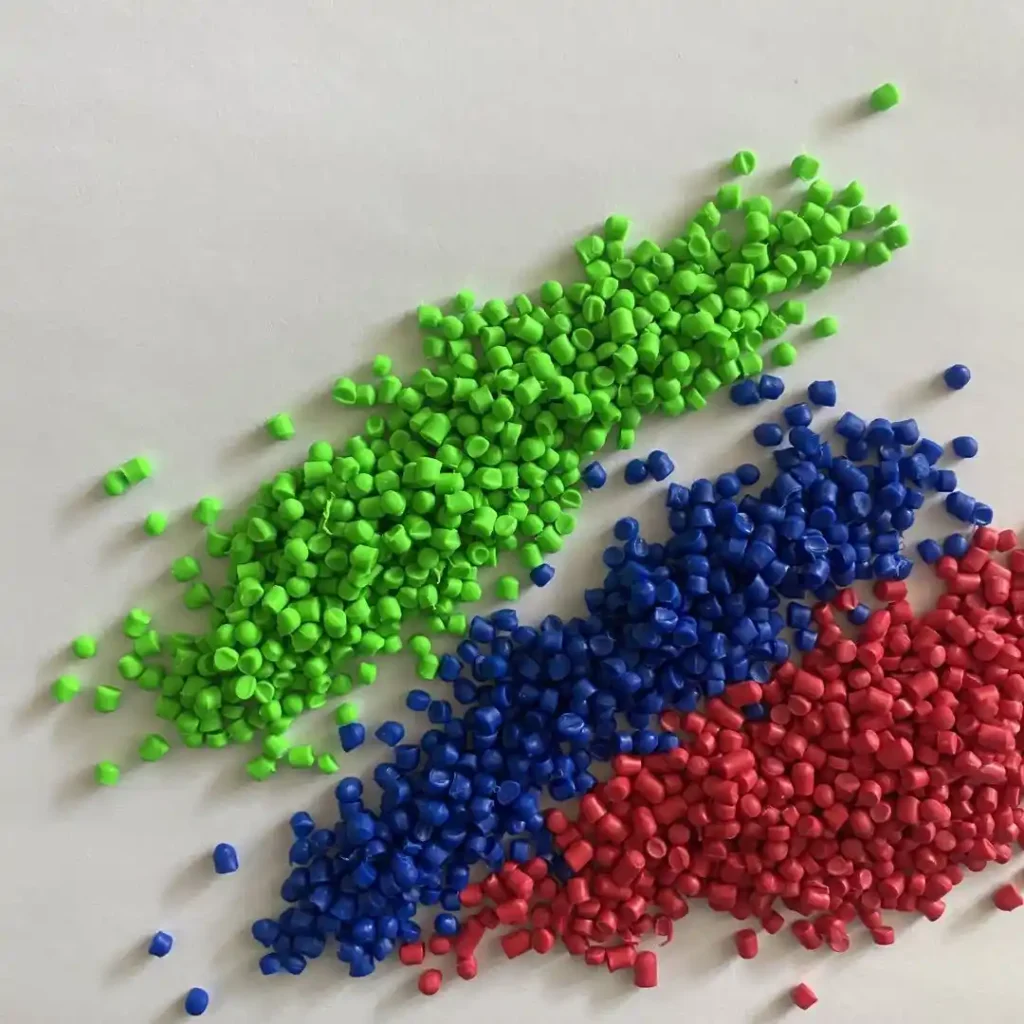
| Pigments | Color | 1-3% | Titanium dioxide, carbon black |
PVC Types and Grades:
| PVC Type | Plasticizer Content | Hardness (Shore) | Aplicaciones |
|---|---|---|---|
| uPVC | 0% | D75-D85 | Pipes, fittings, profiles |
| Flexible PVC | 20-40% | A60-A90 | Medical tubing, cables |
| Semi-rigid | 10-20% | D50-D70 | Automotive parts |
| CPVC | Chlorinated | D75-D85 | Hot water pipes |
| Grado Médico | Non-phthalate | Variable | Medical devices |
Key Material Properties:
| Propiedad | uPVC | Flexible PVC | Advantage |
|---|---|---|---|
| Densidad (g/cm³) | 1.38-1.45 | 1.20-1.35 | Lighter than many metals |
| Tensile Strength | 40-60 MPa | 10-25 MPa | Good structural capability |
| Elongation | 2-40% | 200-400% | Excellent for flexible parts |
| HDT @ 1.82 MPa | 70-80°C | 60-70°C | Suitable for many applications |
| Flame Resistance | Self-extinguishing | Self-extinguishing | UL94 V-0 achievable |
| Resistencia química | Excellent | Good | Broad chemical compatibility |
3. Material Handling and Preparation
Critical Material Considerations:
Thermal Sensitivity:
PVC begins degrading at approximately 140°C, releasing hydrochloric acid (HCl) gas. This requires:
Control de temperatura: Precise monitoring essential
Residence Time: Limited time in barrel
Decomposition Prevention: Proper stabilization critical
Stabilizer Systems:
Lead-based: Traditional, being phased out
Tin-based: Common for transparent applications
Calcium-Zinc: Growing for environmental compliance
Mixed Metal: Cost-performance balance
Material Preparation Requirements:
Drying Considerations:
Hygroscopicity: Low (0.1-0.4% moisture absorption)
Temperatura de secado: 60-80°C maximum
Tiempo de secado: 1-2 hours typically sufficient
Over-drying Risk: Can cause degradation
Storage and Handling:
Control de temperatura: Below 30°C recommended
Moisture Protection: Sealed containers advised
Vida útil: 6-12 months optimal
First-In-First-Out: Critical for consistent quality
Pre-blending Requirements:
Dry Blending: Often done before processing
High-speed Mixers: For homogeneous compounding
Cooling Phase: Essential after hot mixing
Quality Control: Regular testing of blend consistency
4. Requisitos de la máquina de moldeo por inyección
Specialized Equipment Design:
Corrosion Protection:
PVC decomposition releases HCl, requiring:
Barrel Liners: Bimetallic or corrosion-resistant
Screw Coatings: Chrome plating or special alloys
Nozzle Materials: Stainless steel or hardened alloys
Desahogo: Proper to remove corrosive gases
Especificaciones de diseño de tornillos:
Relación L/D: 18:1 to 22:1 (shorter than many thermoplastics)
Relación de compresión: 1.8:1 to 2.2:1 (lower for gentle processing)
Screw Type: PVC-specific design with gentle compression
Válvula antirretorno: Full-flow type to prevent material hang-up
Metering Zone: Shallow flights to minimize shear heating
Barril y Sistema de Calefacción:
Zonas de Calefacción: Minimum 3, better 4-5 zones
Control de temperatura: ±2°C precision required
Bandas calefactoras: Even distribution critical
Enfriamiento: Adequate barrel cooling capability
Capacity: 50-70% of machine rating optimal
Sistema de sujeción:
Fuerza de sujeción: 3-5 tons per square inch
Platen Size: Adequate for tool installation
Ejection: Robust system for stiff materials
Tie Bars: Corrosion-protected
Auxiliary Equipment:
Dryers: Desiccant type with temperature control
Chillers: For precise mold temperature control
Material Loaders: With filtration systems
Ventilation: For fume extraction when needed
5. Parámetros de Procesamiento y Optimización
Temperature Parameters:
| Material Type | Rear Zone | Middle Zone | Front Zone | Nozzle | Mold Temp |
|---|---|---|---|---|---|
| uPVC | 150-170°C | 165-185°C | 175-190°C | 175-190°C | 30-50°C |
| Flexible PVC | 140-160°C | 150-170°C | 160-180°C | 160-180°C | 20-40°C |
| CPVC | 180-200°C | 190-210°C | 200-220°C | 200-220°C | 40-60°C |
| Medical PVC | 150-170°C | 160-180°C | 170-190°C | 170-190°C | 25-45°C |
Critical Processing Guidelines:
Temperature Management:
Temperatura máxima: Never exceed 210°C for standard PVC
Thermal Decomposition: Begins at 140°C, accelerates above 180°C
Residence Time: Minimize to prevent degradation
Uniformidad de temperatura: Critical for consistent quality
Injection Parameters:
Velocidad de inyección: Moderate to fast
Too slow: Poor weld lines, flow marks
Too fast: Excessive shear heating
Presión de inyección: 800-1400 bar
Presión de retención: 5-15 bar minimum for homogenization
Screw Speed: 50-100 RPM optimal
Holding and Cooling:
Holding Pressure: 40-601 TP3T de presión de inyección
Holding Time: Until gate solidification
Tiempo de enfriamiento: 20-40 seconds per mm thickness
Temperatura del molde: Higher temps improve flow but increase cycle time
Special Processing Considerations:
Purge Procedures: Proper purging between materials
Start-up Protocol: Gradual temperature increase
Shut-down Procedures: Complete barrel cleaning
Process Monitoring: Continuous temperature monitoring
6. Tooling Design for PVC Moulding
Material Selection for Tooling:
Corrosion-Resistant Materials:
Cavity/CoreAcero inoxidable (420SS, 440C) o aceros para herramientas endurecidos
Surface Treatments: Chrome plating, nickel plating, nitriding
Corrosion Protection: Essential for all steel components
Regular Maintenance: More frequent than other materials
Runner and Gate Design:
Cold Runner Systems:
Corredores de ronda completa: diámetro mínimo de 6-10 mm
Runner Layout: Short and direct paths preferred
Pozos Fríos de BabosasEsencial en los extremos de la carrera
Balancing: Critical for multi-cavity molds
Gate Design Options:
Puertas de bordeMás común, fácil de recortar
Direct Sprue Gates: For single-cavity molds
Compuertas de diafragma: For cylindrical parts
Pin Gates: For automatic degating
Sistemas de Canal Caliente: Less common due to thermal sensitivity
Venting System:
Profundidad de ventilación: 0.025-0.040mm
Ancho de ventilación: 6-12mm
Strategic Placement: End of fill and weld line areas
Importancia: Prevents burning and incomplete filling
Cooling System Design:
Channel Diameter: 8-12mm standard
Layout: Follow part contours closely
Control de temperatura: ±5°C uniformity target
Baffles/Bubblers: For deep cores
Acabados de Superficie:
Polish Levels: SPI B-1 to C-3 typically
Texture: Can be applied but may show flow lines
Ángulos de borrador: 1-2° minimum, more for textured surfaces
7. Part Design Guidelines
Principios de Espesor de Pared:
Rango General: 1.5-5.0mm
Espesor óptimo: 2.0-3.0mm
Unidad: Critical (maximum 20% variation)
Espesor mínimo: 0.8mm possible with optimized processing
Secciones Gruesas: Core out to prevent sink marks
Radii and Corner Design:
Radios internosMínimo 0.5 veces el espesor de la pared
Radios externosRadio interno más espesor de pared
Sharp Corners: Avoid to prevent stress concentration
Transiciones: Gradual changes recommended
Diseño de Costilla y Nervio
Grosor de la costilla: 40-60% of adjacent wall
Altura de la costilla: Maximum 3 times wall thickness
Diseño de JefeDebería perforarse y conectarse con costillas
Ángulos de borrador: 1-2° per side minimum
Draft Angle Requirements:
Standard Applications: 1-2° per side
Textured Surfaces: Add 1° per 0.025mm texture depth
Deep Draw Parts: Additional draft may be needed
Flexible PVC: May require more draft
Diseño de Bisagra Viva:
No recomendado: For rigid PVC
Possible: With flexible PVC formulations
Design Considerations: Thickness control, radius design
Testing: Essential for functional performance
8. Troubleshooting Common PVC Defects
| Defecto | Causas Raíz | Acciones Correctivas | Prevención |
|---|---|---|---|
| Brown/Black Streaks | Thermal degradation | Reduce temperatures, clean equipment | Proper temperature control |
| Extensiones/Rayos plateados | Moisture, contamination | Improve drying, clean material handling | Proper storage and handling |
| Poor Impact Strength | Overheating, inadequate stabilization | Lower temperatures, adjust formulation | Optimización de procesos |
| Líneas de soldadura | Low temperature, improper gate location | Increase temperatures, relocate gates | Single gate when possible |
| Sink Marks | Insufficient packing, thick sections | Increase holding pressure/time, modify design | Uniform wall design |
| Flash | Excessive pressure, worn tooling | Reduce pressure, repair tool | Regular maintenance |
| Discoloration | Overheating, contaminated material | Lower temperatures, clean equipment | Material quality control |
| Delamination | Material contamination, improper mixing | Improve blending, clean equipment | Proper compounding |
Material-Specific Issues:
Plate-out: Additive migration to tool surfaces
Degradation: HCl gas formation and corrosion
Plasticizer Migration: In flexible PVC formulations
Stabilizer Efficiency: Loss over processing time
Preventive Measures:
Regular Equipment Cleaning: Prevent contamination buildup
Temperature Monitoring: Continuous during production
Pruebas de Materiales: Regular quality checks
Process Documentation: For consistency and troubleshooting
(Video: 3-minute troubleshooting demonstration showing correction of thermal degradation in PVC)
9. Specialized Applications and Processing
Medical Applications:
Tubing and Catheters: Flexible, biocompatible formulations
Containers and Bags: For fluid storage and delivery
Device Components: Housings and structural parts
Requisitos: USP Class VI, ISO 10993 compliance
Construction and Building:
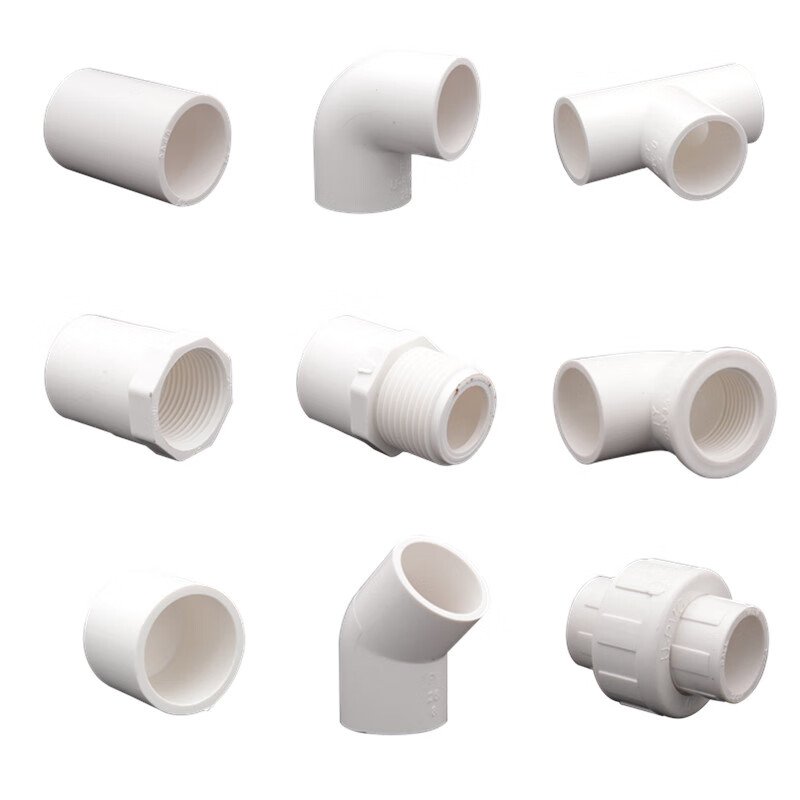
Pipe Fittings: uPVC for plumbing and drainage
Profiles and Trim: Window frames, decorative elements
Electrical Conduit: Protective wiring channels
Flooring Components: Tiles and underlayment
Automotive Components:
Interior Trim: Dashboard components, door panels
Underhood Parts: Wire harness, protective covers
Sealing Systems: Weather strips, gaskets
Requisitos: Heat resistance, durability
Electrical and Electronics:
Cable Insulation: Flexible PVC formulations
Connector Housings: Flame-retardant grades
Electrical Boxes: uPVC for enclosures
Requisitos: Flame ratings, electrical properties
Consumer Products:
Toys and Sporting Goods: Flexible, durable formulations
Housewares: Containers, utensils
Footwear: Soles, decorative elements
Packaging: Blister packs, containers
Advanced Processing Techniques:
Gas-Assisted Moulding: For thick-section parts
Multi-Material Moulding: With other polymers
In-Mould Decoration: For aesthetic applications
Microcellular Foam: For weight reduction
10. Quality Control and Testing
Material Testing Protocols:
Physical Properties:
Melt Flow Rate: ASTM D1238 (special conditions for PVC)
Density: ASTM D792
Dureza: ASTM D2240 (Shore A or D)
Pruebas mecánicas:
Propiedades de tracción: ASTM D638
Resistencia al impactoASTM D256 (Izod/Charpy)
Flexural Properties: ASTM D790
Compression Set: ASTM D395 for flexible grades
Análisis Térmico:
Temperatura de deflexión en caliente: ASTM D648
Punto de Ablandamiento VicatASTM D1525
Thermal Stability: Torque rheometer testing
Glass Transition: DSC analysis
Chemical and Environmental:
Resistencia química: ASTM D543
Weathering Tests: QUV, xenon arc
Extractables Testing: For medical applications
Flammability: UL94 testing
Process Control Parameters:
Temperatura de fusión: Continuous monitoring
Pressure Profiles: Injection and holding phases
Cycle Times: Consistency monitoring
Part Weight: Statistical process control
Regulatory Compliance:
FDA Compliance: 21 CFR for food and medical
RoHS/REACH: Heavy metal and chemical restrictions
UL Certification: For electrical applications
NSF Standards: For plumbing applications
11. Environmental and Safety Considerations
Material Safety:
Vinyl Chloride Monomer: Strict exposure limits
Stabilizer Systems: Lead-free alternatives growing
Plasticizer Selection: Phthalate-free options available
Processing Fumes: Proper ventilation required
Environmental Impact:
Recycling: Established infrastructure for PVC
Energy Recovery: High calorific value (18-20 MJ/kg)
Análisis de Ciclo de Vida: Generally favorable
Sustainable Formulations: Bio-based plasticizers emerging
Processing Safety:
Ventilation: Adequate fume extraction
Personal Protective Equipment: Gloves, eye protection
Equipment Maintenance: Regular inspection for corrosion
Emergency Procedures: For thermal runaway situations
Regulatory Compliance:
Emission Controls: VOC management
Waste Management: Proper disposal procedures
Worker Safety: OSHA compliance
Product Safety: Consumer protection regulations
Industry Initiatives:
VinylPlus: European PVC sustainability program
USGBC Recognition: Certain PVC products in LEED
Recycling Programs: Industry-supported initiatives
Research and Development: For improved sustainability
12. Future Trends and Innovations
Material Advancements:
Bio-based PVCDe recursos renovables
Enhanced Stabilizers: More efficient, less toxic
Novel Plasticizers: Improved performance and safety
Nano-composites: Enhanced properties at lower loadings
Processing Innovations:
Integración Industria 4.0: Smart monitoring and control
Energy-Efficient Processing: Reduced energy consumption
Advanced Compounding: In-line compounding systems
Tecnología de Gemelos DigitalesOptimización de procesos virtuales
Sustainability Developments:
Reciclaje Químico: Back to monomer technologies
Reciclaje Mejorado: Better sorting and purification
Circular Economy Models: Closed-loop systems
Carbon Footprint Reduction: Through entire lifecycle
Application Expansion:
Medical Innovations: Advanced device applications
Energía Renovable: Components for solar and wind
Smart Infrastructure: PVC in IoT-enabled systems
Advanced Construction: New building applications
Regulatory Evolution:
Global Standards: Harmonization of regulations
Regulaciones ambientales: Stricter controls
Estándares de seguridad: Enhanced protection requirements
Quality Systems: Improved traceability and control
13. Conclusion: Mastering PVC Processing
PVC injection moulding represents a specialized field requiring deep understanding of material science, processing technology, and application requirements. Success with PVC demands:
Material Expertise: Understanding formulations and their behavior
Precisión del Proceso: Exact control of temperature and residence time
Equipment Knowledge: Proper machine configuration and maintenance
Compromiso de calidad: Consistent production of high-quality parts
Safety Awareness: Protecting workers and environment
The future of PVC processing lies in balancing its excellent properties with evolving environmental and safety requirements. Through advancements in material formulations, processing technologies, and recycling methods, PVC will continue to serve vital functions across multiple industries.
For manufacturers, PVC offers opportunities to produce cost-effective, durable products for demanding applications. The challenges of processing are significant but manageable with proper knowledge, equipment, and procedures. Those who master PVC processing can deliver products that combine performance, durability, and value.
As material science advances and processing technologies evolve, PVC will continue to adapt to new requirements and applications, maintaining its position as one of the world’s most useful and versatile thermoplastics.