- Samgomould
- 01 Jun 2026
Flame Retardant Injection Molding: Enhancing Safety and Performance in Plastic Manufacturing
Flame Retardant Injection Molding: Enhancing Safety and Performance in Plastic Manufacturing
Introduction
Flame retardant injection molding plays a critical role in modern plastic manufacturing. As industries continue to demand safer and more reliable plastic components, flame retardant materials have become increasingly important. These materials help reduce fire risks, improve product safety, and ensure compliance with international regulations. From consumer electronics and automotive components to industrial equipment and household appliances, flame retardant plastic parts are widely used in applications where fire resistance is essential.
Injection molding is one of the most efficient manufacturing processes for producing high-volume plastic parts with consistent quality. When combined with flame retardant materials, it enables manufacturers to create durable, safe, and cost-effective products that meet stringent industry standards.
What Is Flame Retardant Injection Molding?
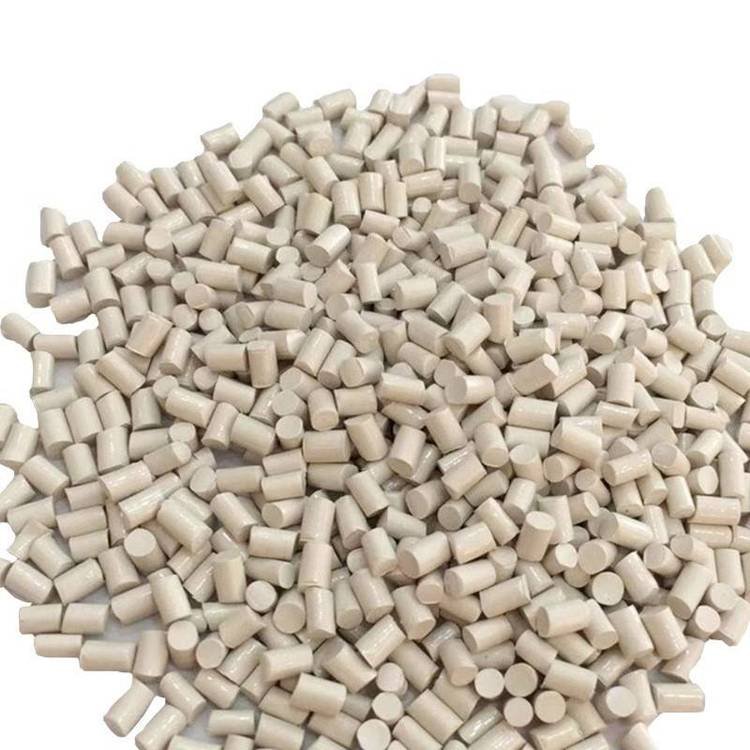
Flame retardant injection molding is the process of manufacturing plastic components using specially formulated resins that contain flame retardant additives. These additives help slow down or prevent the spread of fire when the plastic is exposed to heat or flames.
Common flame retardant materials include:
- Flame retardant ABS
- Flame retardant PC (Polycarbonate)
- Flame retardant PC/ABS blends
- Flame retardant PA (Nylon)
- Flame retardant PBT
- Flame retardant PP
These materials are processed through injection molds to create parts with precise dimensions and consistent flame resistance properties.
Why Flame Retardant Plastics Are Important
Fire safety has become a major concern across multiple industries. Electrical systems, batteries, chargers, power distribution units, and electronic housings all require materials that can withstand elevated temperatures and reduce ignition risks.
The use of flame retardant plastics offers several advantages:
Enhanced Safety
Flame retardant materials help minimize fire hazards by reducing flame propagation and heat release.
Regulatory Compliance
Many industries must comply with fire safety standards such as UL94, IEC, and other international regulations.
Improved Product Reliability
Components manufactured with flame retardant materials can maintain structural integrity even under challenging operating conditions.
Reduced Property Damage
By slowing the spread of fire, flame retardant plastics can help reduce equipment damage and improve overall safety.
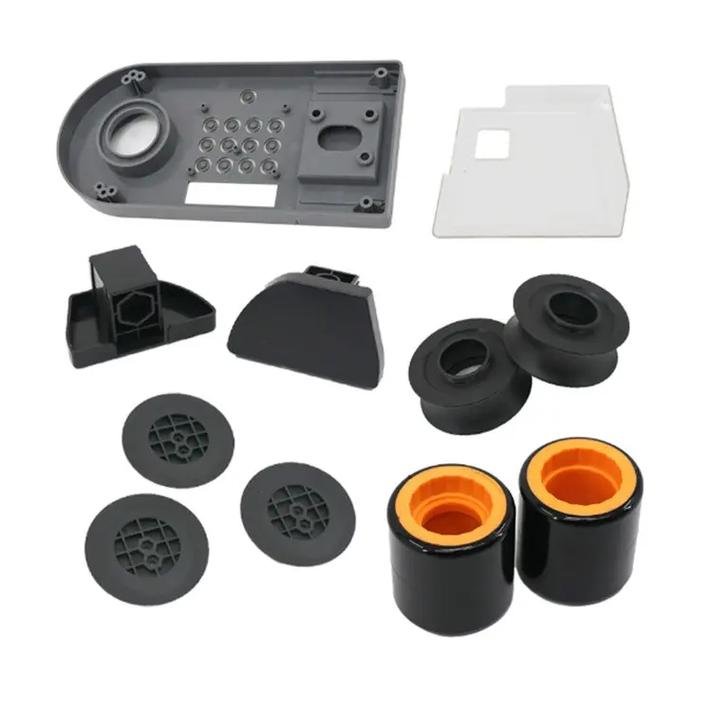
Key Applications of Flame Retardant Injection Molded Parts
Flame retardant injection molded products are used across a wide range of industries.
Consumer Electronics
Electronic device housings, power adapters, battery covers, and charging stations often require flame retardant materials to meet safety requirements.
Automotive Industry
Modern vehicles contain numerous electrical and electronic systems. Flame retardant plastic components help protect passengers and electronic assemblies.
Industrial Equipment
Control panels, switchgear housings, connectors, and electrical enclosures frequently use flame retardant plastics.
Home Appliances
Washing machines, air conditioners, microwave ovens, and other appliances utilize flame retardant plastic components for enhanced safety.
Energy Storage Systems
Battery packs and energy storage units require high-performance flame retardant materials to reduce thermal risks.
Common Flame Retardant Materials Comparison
| Material | Strength | Heat Resistance | Flame Rating Potential | Typical Applications |
|---|---|---|---|---|
| FR ABS | Good | Moderate | UL94 V-0 | Electronic housings |
| FR PC | Excellent | High | UL94 V-0 | Electrical components |
| FR PC/ABS | Very Good | High | UL94 V-0 | Consumer electronics |
| FR PA66 | Excellent | Very High | UL94 V-0 | Automotive connectors |
| FR PBT | Good | High | UL94 V-0 | Electrical switches |
| FR PP | Moderate | Moderate | UL94 V-2 to V-0 | Appliance components |
The selection of material depends on product requirements, operating environment, mechanical performance, and regulatory standards.
Manufacturing Process of Flame Retardant Injection Molding
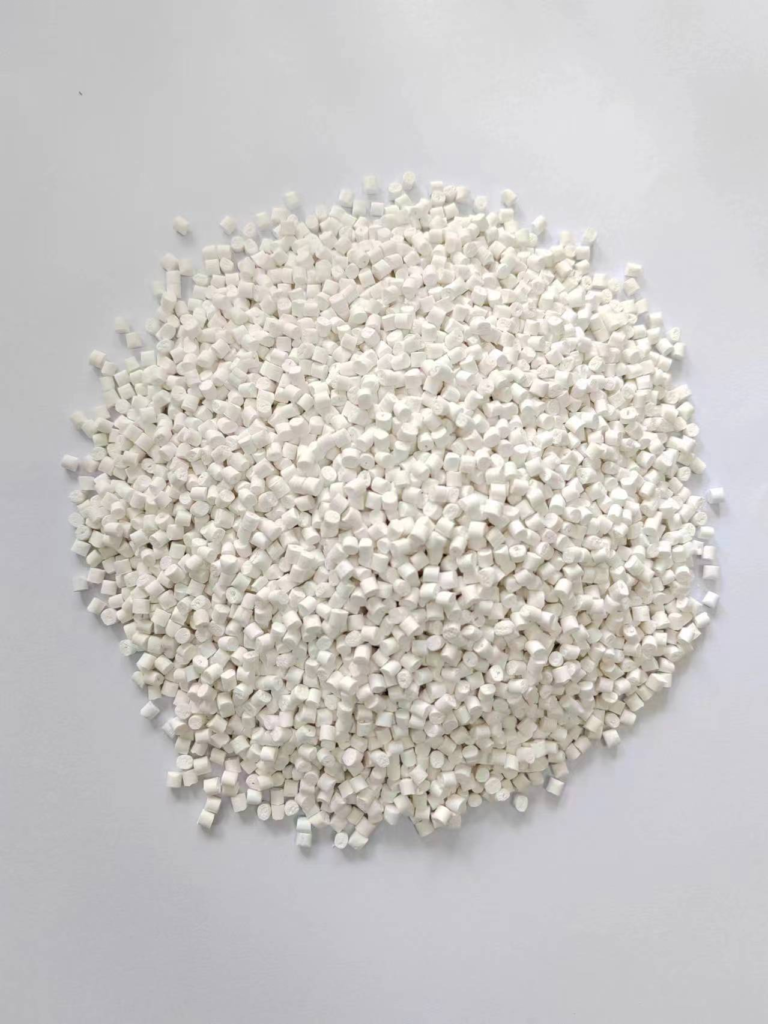
The production of flame retardant plastic parts follows a structured process designed to ensure consistent quality.
Material Selection
Engineers select the most suitable flame retardant resin based on performance requirements and regulatory standards.
Mold Design
A high-quality mold is essential for achieving precise dimensions, proper filling, and efficient production cycles.
Material Drying
Many flame retardant engineering plastics absorb moisture. Proper drying helps prevent defects such as bubbles and surface imperfections.
Injection Molding
The molten resin is injected into the mold cavity under controlled temperature and pressure conditions.
Cooling and Ejection
After cooling, the molded part is ejected and prepared for inspection.
Quality Inspection
Dimensional measurements, appearance checks, and flame resistance testing are conducted to ensure compliance with specifications.
Mold Design Considerations for Flame Retardant Materials
Flame retardant plastics often behave differently from standard resins during molding. Therefore, mold design must account for several factors.
Optimized Gate Design
Proper gate placement ensures balanced material flow and minimizes weld lines.
Effective Venting
Adequate venting prevents trapped gases that can cause burn marks or incomplete filling.
Cooling Efficiency
Well-designed cooling channels help maintain cycle consistency and reduce production costs.
Shrinkage Management
Different flame retardant materials exhibit varying shrinkage rates, making precise mold compensation critical.
Surface Quality
High-quality mold finishing contributes to superior product appearance and reduced post-processing requirements.
Testing and Certification
To ensure product safety and market acceptance, flame retardant components are often tested according to recognized industry standards.
UL94 Flammability Test
The UL94 test evaluates how quickly a material extinguishes after exposure to an ignition source.
Glow Wire Test
This test simulates overheating electrical components and assesses ignition resistance.
Mechanical Testing
Impact strength, tensile strength, and flexural performance are verified to ensure durability.
Thermal Testing
Heat resistance and long-term thermal stability are measured to validate performance under demanding conditions.
These tests provide assurance that the molded parts meet both customer requirements and regulatory expectations.
Future Trends in Flame Retardant Injection Molding
The industry is rapidly evolving toward more environmentally responsible solutions. Manufacturers are increasingly adopting halogen-free flame retardant materials that offer improved sustainability while maintaining excellent fire resistance.
Advances in material science are also leading to lighter, stronger, and more heat-resistant engineering plastics. Combined with automation, smart manufacturing systems, and precision mold technology, these innovations are helping manufacturers achieve higher efficiency and better product performance.
As electric vehicles, renewable energy systems, and smart electronics continue to expand globally, the demand for flame retardant injection molded components is expected to grow significantly in the coming years.
Conclusion
Flame retardant injection molding has become an indispensable manufacturing technology for industries that prioritize safety, reliability, and regulatory compliance. By combining advanced flame retardant materials with precision mold engineering, manufacturers can produce high-quality components that withstand demanding operating conditions while reducing fire risks.
Whether used in consumer electronics, automotive systems, electrical equipment, or energy storage applications, flame retardant molded parts provide a reliable solution for modern product development. With ongoing advancements in materials and manufacturing technologies, flame retardant injection molding will continue to play a vital role in shaping the future of safe and high-performance plastic products.
