TPE/TPU overmolding
- Home
- / Material /
- TPE/TPU overmolding
TPE/TPU Overmolding Injection Molding: The Comprehensive Guide to Multi-Material Excellence
1. Introduction: The Revolution in Soft-Touch Engineering
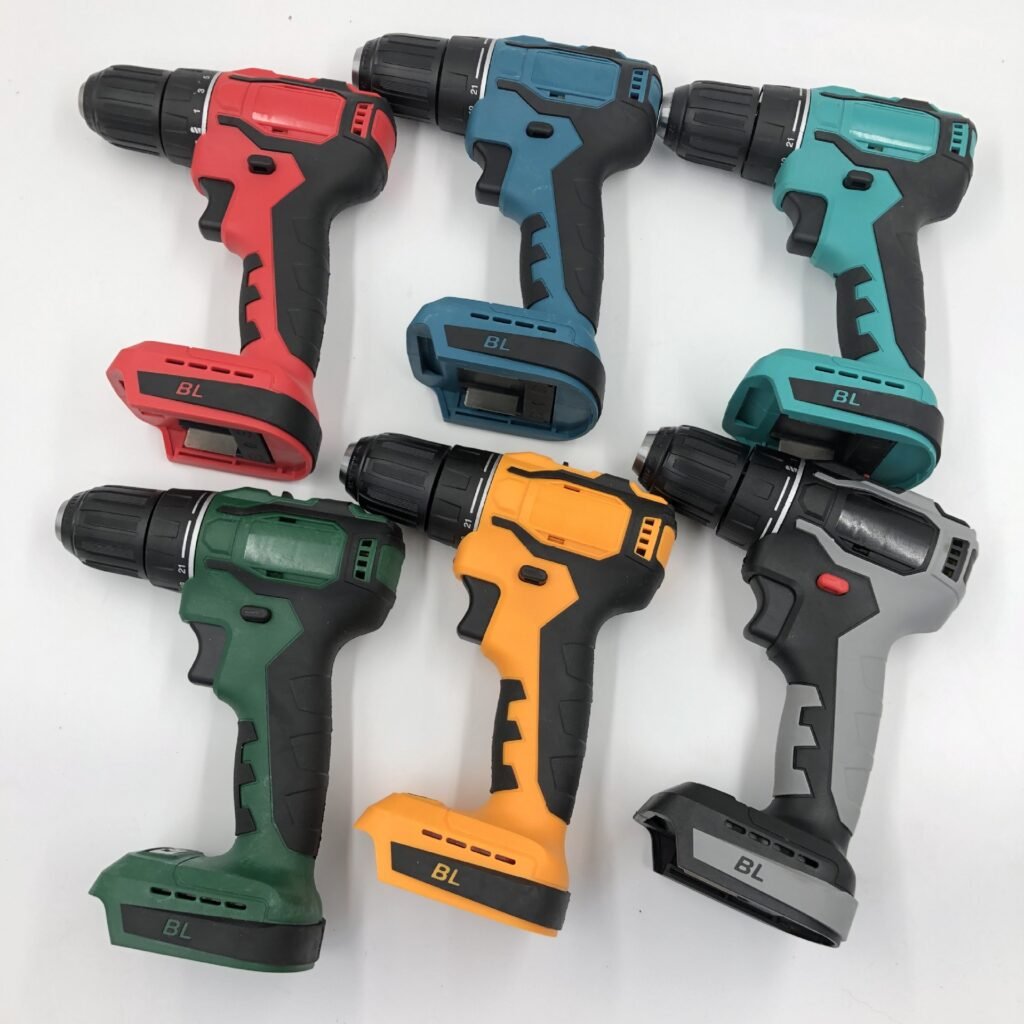
Thermoplastic Elastomers (TPE) and Thermoplastic Polyurethane (TPU) overmolding represents one of the most significant advancements in injection molding technology, revolutionizing product design across industries. This sophisticated multi-material process combines rigid plastic substrates with flexible, rubber-like materials to create products that offer enhanced functionality, improved ergonomics, and superior user experience. From medical devices that require precise grip and sterilization resistance to automotive components demanding durability and aesthetic appeal, TPE/TPU overmolding has become an indispensable manufacturing solution.
This comprehensive guide explores the intricate world of TPE/TPU overmolding, examining material science, process engineering, design principles, and quality control methodologies. We will uncover how this technology enables innovative product designs that were previously impossible with single-material manufacturing, and why it continues to gain prominence in competitive global markets.
2. Material Science: Understanding TPE and TPU Chemistry
Material Fundamentals:
TPE (Thermoplastic Elastomer) Family:
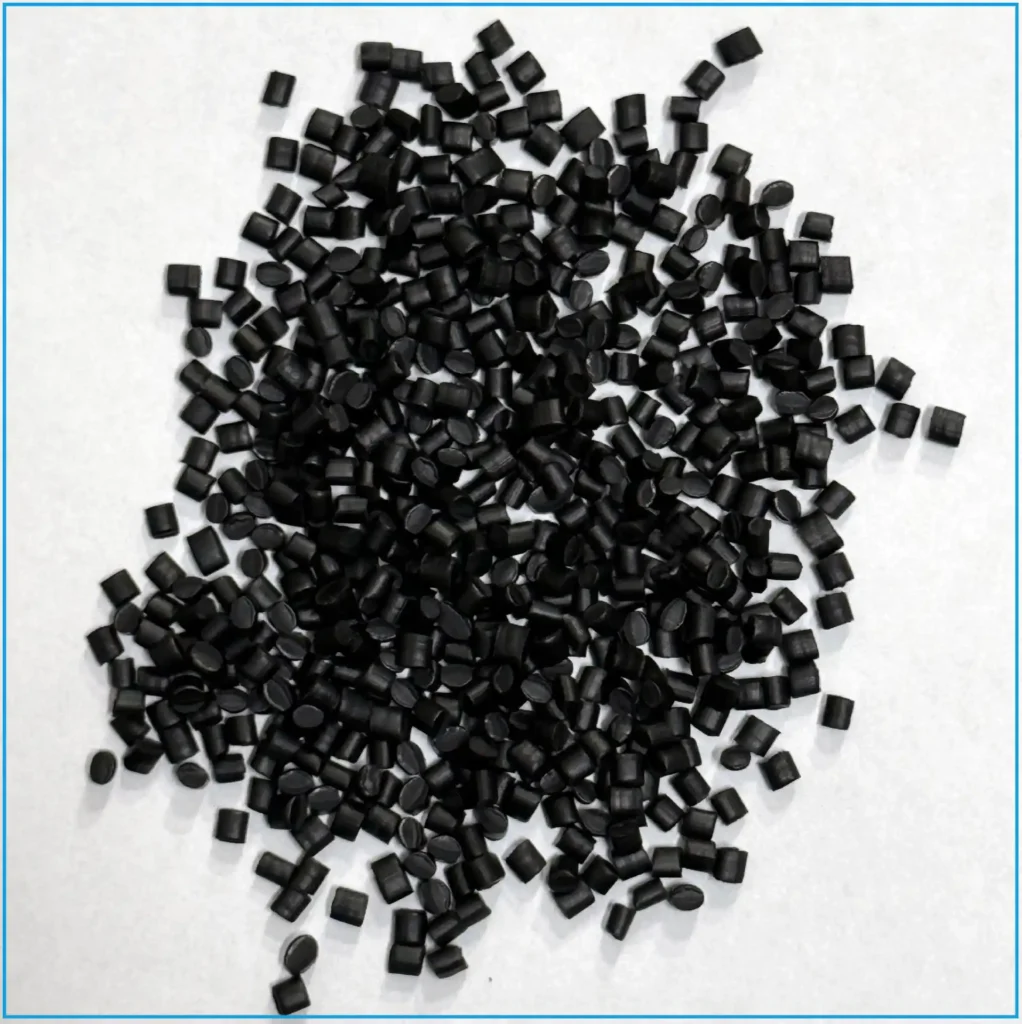
SEBS-based TPEs: Styrene-Ethylene-Butylene-Styrene block copolymers
TPE-V (TPV): Thermoplastic Vulcanizates (PP/EPDM blends)
TPE-O (TPO): Thermoplastic Polyolefin blends
TPE-E (COPE): Thermoplastic Polyester Elastomers
TPE-A (PEBA): Polyether Block Amides
TPU (Thermoplastic Polyurethane) Characteristics:
Chemical Structure: Alternating hard segments (disocyanate + chain extender) and soft segments (polyol)
Types: Polyester-based (better oil resistance) vs Polyether-based (better hydrolysis resistance)
Hardness Range: Typically 70A to 60D Shore hardness
Key Property Comparison:
| Property | TPE (SEBS-based) | TPU | Key Differences |
|---|---|---|---|
| Hardness Range | 20A to 70D | 70A to 60D | TPU generally harder |
| Tensile Strength | 2-10 MPa | 20-50 MPa | TPU much stronger |
| Elongation at Break | 300-800% | 300-700% | Comparable ranges |
| Compression Set | Fair to Good | Good to Excellent | TPU generally better |
| Chemical Resistance | Moderate | Excellent | TPU superior |
| Abrasion Resistance | Fair | Excellent | TPU outstanding |
| Temperature Range | -40°C to 100°C | -40°C to 120°C | TPU higher temp |
| Adhesion to Substrates | Chemical/Mechanical | Chemical/Mechanical | Similar mechanisms |
Material Selection Matrix:
| Application Requirement | Recommended Material | Why |
|---|---|---|
| Soft-touch consumer products | Soft TPE (30-70A) | Excellent feel, cost-effective |
| Medical device grips | Medical-grade TPE/TPU | Biocompatibility, cleanability |
| Automotive interior | TPE-V or TPU | UV resistance, durability |
| Wearable devices | Silicone-like TPE | Skin-friendly, flexible |
| Industrial grips | TPU or TPE-V | Oil/grease resistance, durability |
| Waterproof seals | TPU | Excellent sealing, hydrolysis resistance |
3. Substrate Materials and Compatibility
Substrate Material Considerations:
Primary Rigid Substrates:
| Substrate Material | TPE Compatibility | TPU Compatibility | Key Considerations |
|---|---|---|---|
| Polypropylene (PP) | Excellent | Good | Chemical similarity helps |
| Polycarbonate (PC) | Good to Excellent | Excellent | Strong chemical bonding |
| ABS | Excellent | Excellent | Most common combination |
| PC/ABS Blend | Excellent | Excellent | Ideal balance of properties |
| Nylon (PA6, PA66) | Fair to Good | Good to Excellent | Moisture content critical |
| PBT | Good | Excellent | Good for automotive |
| Acetal (POM) | Poor | Fair | Surface treatment needed |
Surface Energy Requirements:
Critical for Adhesion: Substrate surface energy >36 dynes/cm
Measurement: Dyne pens or test solutions
Enhancement: Flame treatment, plasma treatment, chemical primers
Substrate Design for Overmolding:
Mechanical Interlocks:
Through-holes and undercuts
Texture patterns (diamond, pyramid, cross-hatch)
Grooves and channels
Chemical Bonding Aids:
Material compatibility selection
Surface energy optimization
Primer application when necessary
Substrate Preparation Protocols:
Cleaning: Isopropyl alcohol or specialized cleaners
Drying: Critical for hygroscopic materials (PA, PC)
Temperature Control: Preheat if necessary
Surface Treatment: Within 24 hours of overmolding
4. Equipment and Process Configuration
Machine Types for Overmolding:
Two-Shot (Multi-Material) Molding Machines:
Rotary Table Machines: Most common, substrate rotates to second cavity
Core-back Machines: Mold expands for second shot
Transfer Machines: Substrate transferred between machines
Indexing Plate Machines: Multiple positions for complex parts
Machine Specifications:
Clamping Force: Typically 20-30% higher than single-material molding
Injection Units: Two or more, often with different screw designs
Control Systems: Coordinated timing and parameter control
Mold Temperature Controllers: Multiple circuits for different materials
Screw Design Requirements:
| Screw Parameter | Substrate Material | TPE/TPU Material |
|---|---|---|
| L/D Ratio | 20:1 standard | 24:1 or higher |
| Compression Ratio | 2.0:1 to 3.0:1 | 1.8:1 to 2.2:1 |
| Screw Type | General purpose | Low-shear, gradual compression |
| Check Valve | Standard | Full-flow, low resistance |
Auxiliary Equipment:
Material Dryers: Separate for each material type
Mold Temperature Controllers: Multiple units for different zones
Robotics: For part removal and substrate handling
Vision Systems: For quality inspection
5. Processing Parameters and Optimization
Temperature Parameters:
| Material Type | Barrel Temperatures | Mold Temperature | Special Notes |
|---|---|---|---|
| Soft TPE (30-50A) | 180-220°C | 20-40°C | Lower temps to prevent degradation |
| Firm TPE (70A-50D) | 190-230°C | 30-50°C | Balance flow and properties |
| Soft TPU (70A-85A) | 190-220°C | 30-50°C | Moisture-sensitive |
| Firm TPU (90A-60D) | 200-240°C | 40-60°C | Higher for flow and bonding |
| Substrate (e.g., ABS) | 220-250°C | 50-70°C | Typically higher than TPE/TPU |
Critical Processing Guidelines:
Injection Phase:
Injection Speed: Moderate to fast for TPE/TPU
Too slow: Poor bonding, flow marks
Too fast: Jetting, air entrapment
Injection Pressure: Lower than substrate (60-80% of substrate pressure)
Switchover: Typically 95-98% volume fill
Bonding Optimization Parameters:
Mold Temperature Difference: Substrate side 10-30°C higher than TPE/TPU side
TPE/TPU Melt Temperature: Close to substrate temperature (±20°C optimal)
Injection Timing: TPE/TPU injected while substrate surface is molten
Holding Pressure: Lower for TPE/TPU to prevent flash
Cycle Time Optimization:
Cooling Time: Governed by substrate thickness
Curing Time: TPE/TPU may require additional time for property development
Total Cycle: Typically 1.5-2x single-material cycle time
6. Tooling Design for Overmolding
Mold Design Fundamentals:
Two-Shot Mold Configurations:
Rotary Mold Design:
Station 1: Substrate molding
Station 2: Overmolding
Rotation mechanism: Hydraulic or electric
Indexing Mold Design:
Multiple positions for complex sequences
Higher tooling cost but greater flexibility
Core-back Mold Design:
Single cavity expands for second shot
Lower tooling cost, simpler maintenance
Gate Design Considerations:
| Gate Type | Best For | Considerations |
|---|---|---|
| Edge Gates | Most applications | Easy to design, good control |
| Submarine Gates | Automatic degating | Good for high-volume |
| Hot Runner Gates | Multi-cavity molds | Precise control, material savings |
| Valve Gates | Sequential gating | Eliminate weld lines |
Cooling System Design:
Separate Circuits: For substrate and overmold areas
Temperature Control: Different temperatures for each material
Balanced Cooling: Prevent warpage from differential shrinkage
Conformal Cooling: For complex overmold geometries
Venting Requirements:
Critical Locations: End of fill, weld line areas
Vent Depth: 0.015-0.030mm for TPE/TPU
Vent Placement: Strategic for air evacuation from overmold
Vacuum Venting: For complex geometries
Surface Finish Options:
Substrate Surface: Often textured for mechanical bonding
Overmold Surface: Can be smooth or textured
Texture Alignment: Important for aesthetic parts
Polish Levels: SPI standards A-1 to C-3
7. Design Guidelines for Overmolded Parts
Wall Thickness Principles:
| Feature | Recommended Thickness | Key Considerations |
|---|---|---|
| Substrate Wall | 2.0-3.5mm | Provides rigidity and heat sink |
| Overmold Thickness | 0.8-2.5mm | Thinner for feel, thicker for grip |
| Transition Zones | Gradual (3:1 ratio) | Prevents stress concentration |
| Minimum Overmold | 0.5mm | Achievable with optimized process |
Bonding Area Design:
Bonding Width: Minimum 1.5mm for reliable adhesion
Bonding Depth: Adequate for mechanical interlock
Bonding Pattern: Consistent for uniform adhesion
Edge Design: Tapered edges for clean transitions
Mechanical Interlock Features:
Through-holes: Diameter >1.5mm, spaced appropriately
Undercuts: Depth 0.2-0.5mm, draft angles considered
Textures: Diamond, pyramid, or custom patterns
Grooves: Width >0.5mm, depth >0.3mm
Draft Angle Requirements:
| Surface Type | Recommended Draft | Special Considerations |
|---|---|---|
| Substrate External | 1-2° per side | Standard molding practice |
| Substrate Internal | 1.5-3° per side | For core release |
| Overmold External | 1-3° per side | May need more for soft materials |
| Texture Areas | Add 1° per 0.025mm texture | Prevents sticking |
Radius and Corner Design:
Internal Radii: Minimum 0.5mm for TPE/TPU flow
External Radii: Match internal plus wall thickness
Corner Treatments: Generous radii prevent stress concentrations
Transition Areas: Smooth flow paths for material
Aesthetic Considerations:
Color Combinations: Consider material transparency
Surface Finishes: Matte vs gloss for different feels
Branding Integration: Logos or text in overmold
Grip Patterns: Ergonomic design for user comfort
8. Bonding Mechanisms and Adhesion Optimization
Primary Bonding Mechanisms:
Chemical Bonding:
Molecular Diffusion: Interpenetration at polymer interface
Chemical Compatibility: Similar solubility parameters
Temperature-Dependent: Requires proper melt temperatures
Time-Dependent: Requires adequate contact time
Mechanical Bonding:
Surface Texture: Provides anchor points
Through-holes: Creates physical interlocks
Undercuts: Prevents delamination
Grooves and Channels: Increases bonding area
Adhesion Testing Methods:
Peel Test: ASTM D6862, measures bond strength
Shear Test: ASTM D1002, evaluates shear strength
Cross-hatch Test: ASTM D3359, qualitative assessment
Environmental Testing: After thermal/chemical exposure
Adhesion Enhancement Techniques:
| Method | Application | Effectiveness |
|---|---|---|
| Material Selection | All applications | Primary method |
| Surface Treatment | Low-energy substrates | Highly effective |
| Mold Temperature | All applications | Critical control |
| Process Optimization | All applications | Essential for consistency |
| Primers/Adhesives | Difficult bonds | Last resort option |
Troubleshooting Poor Adhesion:
| Symptom | Possible Causes | Solutions |
|---|---|---|
| Complete Delamination | Material incompatibility, contamination | Change materials, improve cleaning |
| Partial Bonding | Process parameters, design issues | Optimize temps, redesign bonding area |
| Edge Lift-off | Differential shrinkage, stress | Adjust cooling, modify design |
| Variable Adhesion | Process inconsistency, contamination | Standardize process, clean mold |
9. Quality Control and Testing Protocols
In-Process Quality Monitoring:
Key Process Parameters:
Melt Temperatures: Both materials, continuously monitored
Mold Temperatures: Multiple zones, recorded
Injection Profiles: Pressure and speed curves
Cycle Times: Consistentcy monitoring
Bond Line Inspection: Visual and instrumental
Dimensional Verification:
First Article Inspection: Complete dimensional check
Critical Dimensions: Bonding areas, thicknesses
Statistical Process Control: For high-volume production
Automated Inspection: Vision systems for consistency
Material Testing Protocols:
TPE/TPU Material Tests:
Hardness: Shore A or D per ASTM D2240
Tensile Properties: ASTM D412
Compression Set: ASTM D395
Tear Strength: ASTM D624
Abrasion Resistance: ASTM D4060
Bond Strength Tests:
Peel Strength: ASTM D6862
Shear Strength: Custom fixtures
Environmental Testing: After aging/conditioning
Destructive Testing: For validation and failure analysis
Functional Testing:
Ergonomics: Grip force, comfort assessment
Durability: Cycle testing under use conditions
Environmental Resistance: UV, chemicals, temperature
Regulatory Compliance: Industry-specific requirements
Visual Quality Standards:
Surface Defects: Sink marks, flow lines, contamination
Bond Line Quality: Uniformity, cleanliness
Color Consistency: Batch-to-batch matching
Aesthetic Appeal: Customer-defined criteria
10. Troubleshooting Common Overmolding Defects
| Defect | Root Causes | Corrective Actions | Prevention Strategies |
|---|---|---|---|
| Poor Adhesion | Material incompatibility, low temps, contamination | Increase temps, clean substrate, change materials | Proper material selection, process control |
| Flash | Excessive pressure, worn tooling, clamp force | Reduce pressure, repair tool, increase clamp | Regular maintenance, process optimization |
| Sink Marks | Insufficient packing, thick sections | Increase pack pressure/time, modify design | Uniform wall design, adequate packing |
| Weld Lines | Multiple gates, low temperatures | Increase temps, adjust gate design | Single gate when possible, flow leaders |
| Jetting | Gate too small, injection too fast | Enlarge gate, reduce speed, use tab gate | Proper gate design, controlled filling |
| Delamination | Differential shrinkage, stress | Adjust cooling, modify design, stress relief | Balanced design, controlled cooling |
| Color Inconsistency | Material variation, processing issues | Standardize material, optimize process | Material qualification, process control |
| Surface Defects | Contamination, improper processing | Clean equipment, optimize parameters | Regular cleaning, parameter documentation |
Process-Specific Issues:
Two-Shot Molding Challenges:
Timing Coordination: Between shots
Material Interference: In rotary mechanisms
Temperature Management: Different requirements
Cycle Time Optimization: Balancing both materials
Insert Molding Considerations:
Substrate Handling: Damage prevention
Positioning Accuracy: Critical for bonding
Thermal Management: Substrate temperature control
Contamination Prevention: During handling
11. Advanced Applications and Case Studies
Medical Device Innovations:
Surgical Instruments: Ergonomic grips with tactile feedback
Diagnostic Devices: Sealed interfaces, comfortable handling
Wearable Medical: Skin-contact surfaces, waterproof seals
Drug Delivery Systems: Patient-friendly interfaces
Automotive Excellence:
Steering Wheels: Leather-like feel with integrated controls
Gear Shifts: Positive grip, aesthetic appeal
Control Panels: Tactile buttons, integrated lighting
Seat Components: Comfort enhancements, wear resistance
Consumer Electronics:
Mobile Devices: Impact protection, premium feel
Wearable Tech: Comfortable bands, waterproofing
Audio Equipment: Vibration damping, acoustic properties
Gaming Controllers: Ergonomic grips, button feedback
Industrial Equipment:
Power Tools: Vibration reduction, secure grip
Safety Equipment: Comfort, durability, grip in all conditions
Control Handles: Ergonomic design, operator comfort
Specialty Tools: Chemical resistance, temperature tolerance
Sporting Goods:
Equipment Handles: Shock absorption, grip security
Protective Gear: Impact absorption, flexibility
Footwear Components: Cushioning, flexibility, durability
Water Sports: Waterproof seals, UV resistance
Emerging Applications:
Smart Devices: Integrated sensors in overmold
Biometric Interfaces: Skin-contact sensing surfaces
Sustainable Products: Recyclable material combinations
Customizable Products: User-interchangeable overmolds
12. Industry-Specific Requirements
Medical Industry Standards:
Biocompatibility: ISO 10993 testing requirements
Sterilization Resistance: Autoclave, gamma, ETO compatibility
Cleanability: Surface properties for cleaning protocols
Traceability: Material and process documentation
Regulatory: FDA 21 CFR, EU MDR compliance
Automotive Industry Requirements:
Durability: Long-term performance testing
Environmental Resistance: UV, temperature, chemicals
Safety: FMVSS compliance where applicable
Quality Systems: IATF 16949 certification
Aesthetic Standards: Color matching, surface quality
Consumer Product Considerations:
Aesthetics: Color, texture, visual appeal
Ergonomics: User comfort and safety
Durability: Expected product lifetime
Cost-Effectiveness: Production economics
Brand Identity: Consistent quality and appearance
Electronics Industry Needs:
ESD Protection: For sensitive components
Sealing Requirements: IP ratings for protection
Thermal Management: Heat dissipation considerations
EMI/RFI Shielding: When required
Miniaturization: For small, complex parts
Industrial Equipment Standards:
Performance Specifications: Under use conditions
Safety Requirements: Operator protection
Environmental Conditions: Resistance to oils, chemicals
Longevity: Extended service life expectations
Maintenance: Cleanability and repair considerations