ABS injection molding
- Home
- / Material /
- ABS injection molding
Acrylonitrile Butadiene Styrene (ABS) Injection Moulding: The Complete Technical Guide
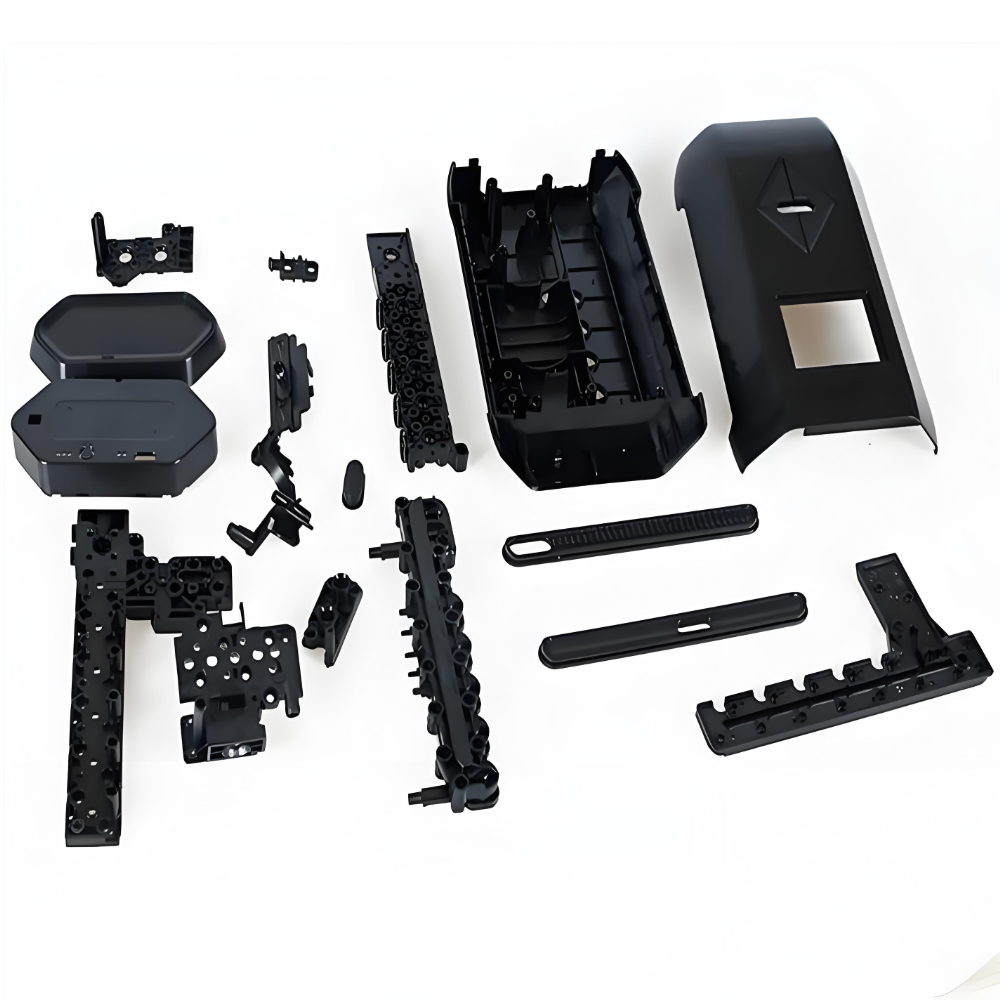
1. Introduction: The Engineering Thermoplastic Standard
Acrylonitrile Butadiene Styrene, universally known as ABS, represents the quintessential engineering thermoplastic, perfectly balancing mechanical properties, processability, and cost-effectiveness. Since its commercial introduction in the 1950s, ABS has become indispensable across industries, valued for its unique combination of strength, rigidity, impact resistance, and superb surface finish. Injection moulding, as ABS’s primary processing method, enables the mass production of dimensionally stable, high-quality parts that meet stringent technical and aesthetic requirements.
From the iconic LEGO brick to critical automotive components, ABS injection moulding demonstrates remarkable versatility. This comprehensive guide explores the material science, processing parameters, design considerations, and advanced techniques that define modern ABS moulding practices, providing engineers and technicians with the knowledge to optimize their manufacturing processes.
2. Material Science: The ABS Terpolymer Advantage
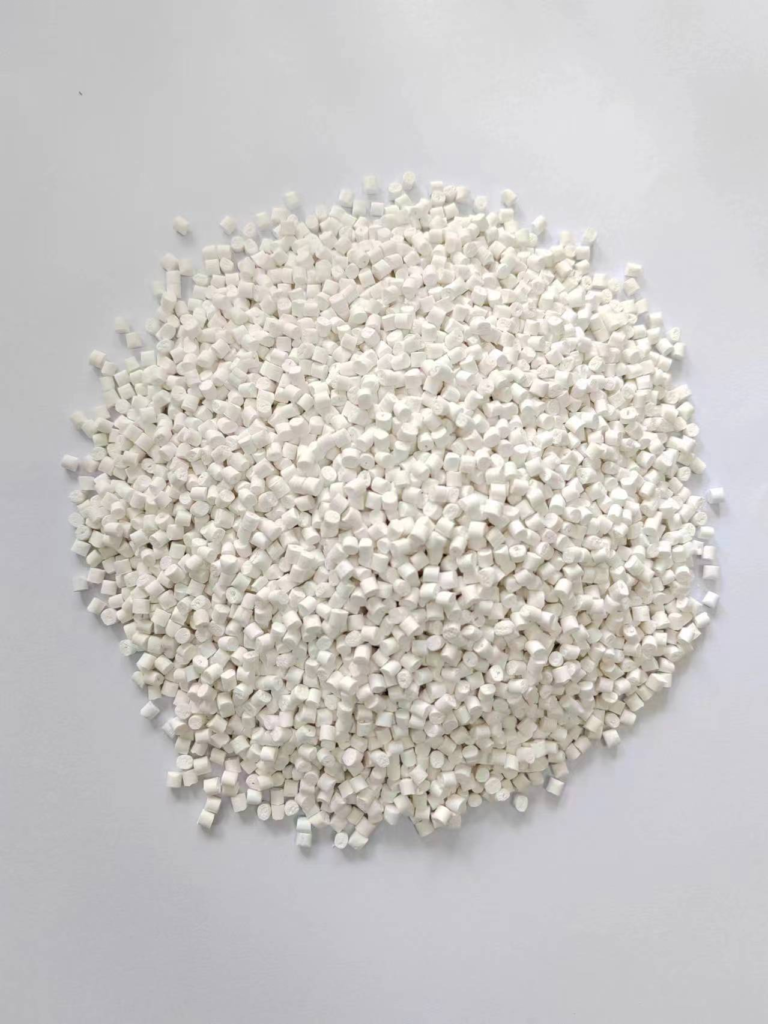
ABS derives its balanced properties from its three constituent monomers:
Chemical Composition and Morphology
Acrylonitrile (15-35%): Provides chemical resistance, thermal stability, and rigidity
Butadiene (5-30%): Contributes toughness and impact resistance through rubber particle dispersion
Styrene (40-60%): Offers processability, gloss, and rigidity
This unique structure creates a two-phase system:
Continuous SAN Phase: Styrene-acrylonitrile copolymer matrix
Dispersed Rubber Phase: Polybutadiene particles that absorb and dissipate impact energy
Key ABS Grades and Their Applications:
| Grade Type | Key Characteristics | Typical Applications |
|---|---|---|
| General Purpose | Balanced properties, good processability | Consumer products, housings, toys |
| High Impact | Enhanced toughness via higher butadiene | Automotive interiors, protective equipment |
| Heat Resistant | Improved thermal stability (HDT up to 110°C+) | Automotive underhood components, electrical parts |
| Plating Grade | Modified for excellent metal adhesion | Automotive grilles, plumbing fixtures, decorative trim |
| Flame Retardant | UL94 V-0 and V-2 ratings | Electrical enclosures, computer components |
| Transparent | Optical clarity variants | Displays, lenses, transparent covers |
Material Properties Overview:
Density: 1.04-1.07 g/cm³
Melt Flow Index: 10-60 g/10min (varies by grade)
Tensile Strength: 40-50 MPa
Notched Izod Impact: 200-400 J/m
Heat Deflection Temperature: 90-105°C @ 1.82 MPa
3. Material Handling and Pre-processing
Critical Drying Requirements
Unlike many commodity plastics, ABS is hygroscopic and requires meticulous drying:
Moisture Content Target: <0.1% (typically 0.02-0.05% for optimal processing)
Drying Conditions: 80-85°C for 2-4 hours (avoid exceeding 90°C to prevent agglomeration)
Dew Point: -40°C or lower recommended for desiccant dryers
Consequences of Insufficient Drying: Splay marks, bubbles, reduced mechanical properties, poor surface finish
Regrind Management
Regrind Percentage: Typically 20-30% maximum with virgin material
Considerations: Thermal history affects color stability and properties
Blending: Ensure homogeneous mixing of virgin and regrind
Drying Regrind: Often requires longer drying times than virgin material
Colorant Integration
Excellent pigment acceptance
Masterbatch carriers should be compatible SAN or ABS-based
For critical colors: Pre-compounded colors often preferable to dry blending
4. Injection Moulding Machine Requirements
Screw and Barrel Specifications
Screw Type: General purpose screw with compression ratio of 2.0:1 to 2.5:1
L/D Ratio: 20:1 is standard; 24:1 provides better mixing and melt homogeneity
Check Valve: Sliding ring type recommended for precise shot control
Barrel Capacity: Shot size should be 30-80% of machine capacity for optimal plastication
Nozzle Selection
Open Nozzle: Standard for most applications
Shut-off Nozzle: Recommended for hot runner systems or when dealing with drool
Nozzle Temperature: Typically 5-10°C above melt temperature
Clamping System
Tonnage Calculation: 2-5 tons per square inch of projected area
Platen Parallelism: Critical for uniform part filling and minimal flash
Ejection System: Adequate stroke and force for part removal
5. Processing Parameters and Optimization
Temperature Settings by Grade:
| Parameter | General Purpose ABS | High Heat ABS | Flame Retardant ABS |
|---|---|---|---|
| Rear Zone | 180-200°C | 200-220°C | 190-210°C |
| Middle Zones | 200-230°C | 220-240°C | 210-230°C |
| Front Zone | 220-240°C | 230-250°C | 220-240°C |
| Nozzle | 220-240°C | 230-250°C | 220-240°C |
| Melt Temp | 220-240°C | 230-250°C | 220-240°C |
| Mould Temp | 50-80°C | 60-90°C | 50-70°C |
Injection Phase Parameters
Injection Speed: Medium to fast (prevents premature freezing but avoids jetting)
Injection Pressure: 800-1500 bar (adjusted based on flow length and wall thickness)
Switchover Point: 95-98% cavity fill by volume (to prevent overpacking)
Holding/Packing Phase
Pressure: 40-70% of injection pressure
Time: Until gate freeze (typically 5-15 seconds depending on part thickness)
Function: Compensates for shrinkage, prevents sink marks and voids
Cooling and Cycle Time Optimization
Cooling Time: Represents 50-70% of total cycle time
Ejection Temperature: 80-90°C (sufficiently below HDT to prevent distortion)
Total Cycle Time: Typically 30-90 seconds depending on wall thickness
6. Tooling Design for ABS Moulding
Mould Material Selection
Production Moulds: P20, H13, or stainless steels for corrosion resistance
Prototype Moulds: Aluminum (7075-T6 or similar) for rapid turnaround
Surface Treatments: Chrome plating or nitriding for wear resistance and release
Runner System Design
Cold Runners: Full round preferred (minimum 4-8mm diameter)
Hot Runners: Valve-gated systems recommended for cosmetic parts
Runner Balancing: Critical for multi-cavity moulds
Gate Design Considerations
Gate Types: Edge, submarine, tab, or direct (hot runner) gates most common
Gate Size: Typically 0.5-1.5mm thick, width depends on part size
Location: Position to minimize weld lines and maximize strength
Cooling System Design
Channel Diameter: 8-12mm standard
Layout: Follow part contours as closely as possible
Temperature Control: ±2°C uniformity target across mould surface
Venting Requirements
Vent Depth: 0.015-0.025mm
Vent Width: 6-12mm
Location: End of fill and weld line areas
Importance: Prevents burning, short shots, and poor surface finish
7. Part Design Guidelines for ABS
Wall Thickness Principles
General Range: 1.5-4.0mm (optimal: 2.0-2.5mm)
Uniformity: Critical to prevent warpage (maximum variation: ±15%)
Thick Sections: Core out to maintain uniform thickness
Minimum Thickness: 0.75mm achievable with optimized processing
Ribs and Bosses Design
Rib Thickness: 50-60% of adjacent wall
Rib Height: Maximum 3 times wall thickness
Boss Design: Should be cored and connected with ribs to main walls
Draft on Ribs: 0.5-1.0° per side minimum
Corner Design
Internal Radii: Minimum 0.5 times wall thickness
External Radii: Internal radius plus wall thickness
Benefits: Reduces stress concentration, improves flow
Draft Angles
Textured Surfaces: 3° per side minimum (plus 1° per 0.025mm texture depth)
Smooth Surfaces: 1-2° per side minimum
Deep Draw Parts: Additional draft required
Snap-Fit Design
Cantilever Snap-Fits: Most common for ABS
Strain Limit: 5-6% maximum for repeated assembly
Engagement Length: 0.5-2.0mm typically
Lead-in Angles: 15-30° for easy assembly
8. Troubleshooting Common ABS Defects
| Defect | Primary Causes | Corrective Actions |
|---|---|---|
| Splay/Silver Streaks | Moisture contamination, overheating, excessive shear | Proper drying (80-85°C, 2-4hrs), reduce melt temp, lower injection speed |
| Weld Lines | Multiple flow fronts, low melt temp, poor gate location | Increase melt temp and injection speed, relocate gates, add flow leaders |
| Sink Marks | Insufficient packing, thick sections, high melt temp | Increase holding pressure/time, core out thick areas, lower melt temp |
| Warpage | Non-uniform cooling, differential shrinkage, residual stress | Improve cooling uniformity, adjust mould temp, optimize holding pressure |
| Burning | Trapped air, excessive speed, inadequate venting | Add/enlarge vents, reduce injection speed, lower melt temperature |
| Short Shots | Insufficient material, low temp/pressure, restricted flow | Check material feed, increase temp/pressure, enlarge gates/runners |
| Jetting | Gate too small, injection too fast, melt temp too low | Enlarge gate, reduce injection speed, increase melt temperature |
| Delamination | Material contamination, excessive moisture, incompatible regrind | Clean equipment, ensure proper drying, reduce regrind percentage |
Material-Specific Issues:
Thermal Degradation: Occurs above 260°C – reduce temperatures
Color Shift: Can occur with excessive regrind or thermal history – control regrind percentage
Stress Cracking: From chemical exposure or excessive molded-in stress – adjust design/process
9. Secondary Operations and Finishing
Machining and Assembly
Excellent machinability: drilling, tapping, milling, turning
Joining Methods: Ultrasonic welding, vibration welding, solvent bonding (with acetone or MEK), adhesive bonding, mechanical fasteners
Design for Assembly: Incorporate alignment features, access for tools
Surface Finishing Options
Painting:
Requires proper surface preparation (cleaning, possibly light abrasion)
Adhesion promoters sometimes necessary
Wide range of paint types compatible
Plating:
Special plating-grade ABS required
Process: Etching → Catalyzation → Electroless nickel → Electroplating
Applications: Automotive, plumbing, decorative hardware
Texture and Finish:
Excellent replication of mould textures
SPI standards A-1 to D-3 commonly specified
Matte finishes help hide flow lines and imperfections
Decoration Techniques
Pad printing, hot stamping, laser marking, in-mould decoration
Each method requires specific design considerations
10. Advanced Processing Techniques
Two-Shot/Overmoulding
ABS commonly used as substrate for TPE/TPU overmoulding
Applications: Soft-grip handles, seals, cosmetic two-tone parts
Requires specialized equipment and precise process control
Gas-Assisted Injection Moulding
Benefits: Reduced weight, elimination of sink marks, lower clamp force
Particularly effective for thick-section parts like handles and beams
Process design critical for consistent channel formation
In-Mould Decoration (IMD)
Film insert moulding for high-quality graphics
Applications: Automotive interiors, appliance panels, control interfaces
Requires precise film handling and special mould designs
Microcellular Foam Moulding (MuCell®)
Benefits: Weight reduction, reduced sink marks, faster cycle times
Challenges: Surface finish considerations, strength reduction
Applications: Thick structural parts, large panels
11. Quality Control and Testing
Process Monitoring
Key Parameters: Melt temperature, injection pressure, cushion size, cycle time
Statistical Process Control (SPC): Essential for consistent quality
Real-time Monitoring: Pressure transducers, temperature sensors
Material Testing
Melt Flow Rate: ASTM D1238 (indicates molecular weight and processability)
Mechanical Properties: Tensile (ASTM D638), impact (ASTM D256), flexural (ASTM D790)
Thermal Analysis: HDT (ASTM D648), Vicat softening point (ASTM D1525)
Flammability: UL94 vertical/horizontal burn tests
Part Validation
Dimensional Checks: CMM, optical comparators, functional gauges
Surface Quality: Visual inspection standards (e.g., SPI standards)
Performance Testing: Fit, function, assembly validation
Environmental Testing: Heat aging, chemical resistance, weathering
12. Sustainability and Future Trends
Recycling and Sustainability
Post-Consumer Recycling: Increasing but challenging due to mixed streams
Industrial Regrind: Well-established with 20-30% typical usage
Chemical Recycling: Emerging technologies for depolymerization
Bio-based Alternatives: Developing but not yet commercial at scale
Industry 4.0 Integration
Smart Manufacturing: IoT sensors for predictive maintenance
Digital Twins: Virtual process optimization before physical trials
AI/ML Applications: Defect prediction, parameter optimization
Automated Quality Control: Vision systems for 100% inspection
Material Innovations
Enhanced Grades: Higher heat resistance, improved impact, better flow
Sustainable Formulations: Increased recycled content, bio-based components
Functional Additives: Antimicrobial, static dissipative, conductive grades
Hybrid Materials: ABS composites with enhanced properties
13. Conclusion: The Enduring Engineering Workhorse
ABS injection moulding continues to be a cornerstone of modern manufacturing, offering an unparalleled balance of properties that meet diverse application requirements. Its success lies in the synergy between material formulation and processing expertise—each grade and application demands specific attention to drying requirements, temperature profiles, injection strategies, and tooling design.
As manufacturing evolves toward greater sustainability, digital integration, and advanced applications, ABS remains remarkably adaptable. The future will likely see continued refinement of ABS grades for specific applications, improved recycling technologies, and smarter processing methods that enhance efficiency and quality while reducing environmental impact.
For engineers and manufacturers, mastering ABS injection moulding requires not just following standard parameters, but developing a deep understanding of the material’s behavior under different processing conditions. This knowledge, combined with thoughtful design and precise process control, enables the production of ABS parts that consistently meet the highest standards of quality, performance, and reliability.