PMMA injection molding
- Home
- / Material /
- PMMA injection molding
Poly(methyl methacrylate) (PMMA) Injection Moulding: The Crystal Clear Engineering Marvel
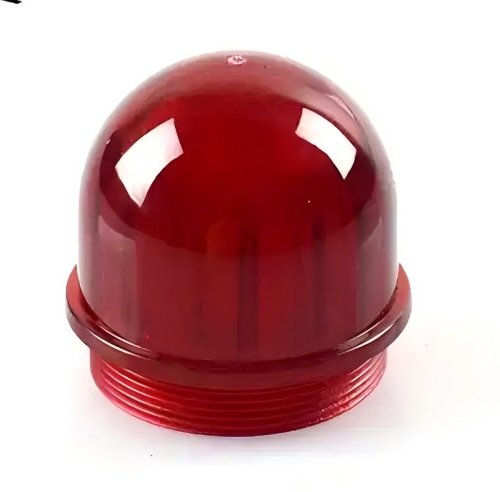
1. Introduction: The Optical Performer
Poly(methyl methacrylate), universally known as PMMA or by its trade names Acrylic, Plexiglas, or Perspex, stands as the premier transparent engineering plastic in global manufacturing. First developed commercially in the 1930s, PMMA has evolved from simple glazing applications to become an indispensable material across industries demanding optical clarity, weather resistance, and exceptional surface quality. With over 3 million tons produced annually, PMMA injection moulding represents the pinnacle of precision polymer processing, where optical perfection meets mechanical performance.
This comprehensive guide explores the sophisticated world of PMMA injection moulding, examining how this unique material—through exacting process control—produces components with glass-like clarity, outstanding weatherability, and dimensional stability. We will uncover why PMMA remains unchallenged in optical applications despite increasing material competition, and how modern processing techniques continue to expand its capabilities in demanding sectors from medical technology to advanced optics.
2. Material Science: Understanding Acrylic Chemistry
Chemical Foundation:
PMMA is synthesized from methyl methacrylate monomer through free-radical polymerization, creating a polymer characterized by its ester side groups and absence of aromatic rings in the backbone. This structure determines its unique optical and mechanical properties.
Key Structural Characteristics:
Amorphous Structure: Completely random molecular arrangement
High Purity Requirement: Minimal impurities for optical clarity
Polar Groups: Ester functionalities influence surface properties
Molecular Weight: Typically 50,000-150,000 g/mol for injection grades
Material Grade Classification:
| Grade Type | Key Characteristics | Applications |
|---|---|---|
| Optical Grade | 92%+ light transmission, <1% haze | Lenses, displays, optical components |
| Medical Grade | USP Class VI, ISO 10993 compliant | Surgical instruments, drug delivery |
| UV-Stabilized | Enhanced outdoor durability | Automotive lighting, signage |
| Impact Modified | MBS or acrylic rubber toughened | Safety glazing, protective shields |
| High Flow | Improved processability | Thin-walled parts, complex geometries |
| Plating Grade | Modified for metallization | Decorative trim, automotive emblems |
Physical Property Matrix:
| Property | Typical Value | Test Method | Advantage vs. Glass |
|---|---|---|---|
| Light Transmission | 92-93% | ASTM D1003 | Comparable to optical glass |
| Refractive Index | 1.49 | ASTM D542 | Close to crown glass |
| Density (g/cm³) | 1.18-1.19 | ASTM D792 | Half the weight of glass |
| Tensile Strength (MPa) | 65-75 | ASTM D638 | Similar to glass |
| Elongation at Break (%) | 2-10 | ASTM D638 | More flexible than glass |
| HDT @ 1.82 MPa (°C) | 95-105 | ASTM D648 | Lower than glass but adequate |
| Abrasion Resistance | Moderate | Taber test | Lower than glass; requires coating |
3. Material Preparation: The Critical Pre-Processing Phase
Hygroscopic Nature and Drying Imperatives:
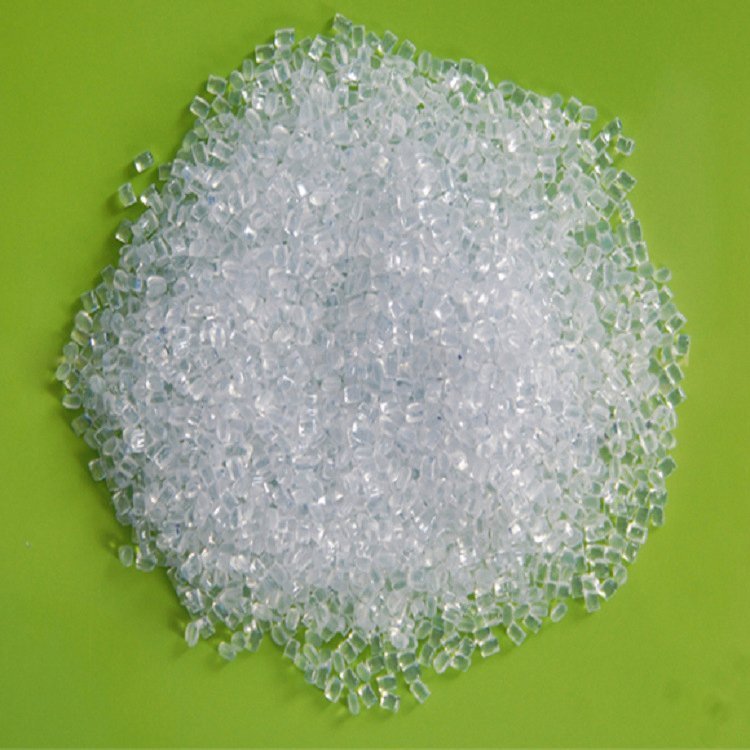
PMMA is moderately hygroscopic, absorbing 0.3-0.5% moisture at equilibrium. Proper drying is essential for optical quality:
Drying Specifications:
Target Moisture: <0.02% (200 ppm) for optical parts
Drying Temperature: 80-90°C (excessive heat causes agglomeration)
Drying Time: 3-5 hours minimum, up to 8 hours for thicker pellets
Dew Point: -30°C or lower recommended
Hopper Design: Sealed drying hoppers with sufficient residence time
Consequences of Insufficient Drying:
Hydrolysis: Water causes ester group cleavage
Splay Marks: Visible surface defects resembling silver streaks
Bubbles: Internal voids affecting optical quality
Reduced Molecular Weight: Impacts mechanical properties
Poor Surface Finish: Hazy or irregular surfaces
Material Storage Protocol:
Temperature Control: 15-25°C ideal storage temperature
Humidity Management: Below 50% relative humidity
UV Protection: Amber bags or UV-blocking containers
Shelf Life: 6-12 months under optimal conditions
Regrind Management:
Maximum Regrind: 20-25% for optical applications
Thermal History Tracking: Each cycle reduces molecular weight
Color Control: More challenging with regrind blends
Separate Processing: Dedicated equipment recommended for critical parts
Colorant Integration:
Transparent Colors: Special dispersion techniques required
Pigment Selection: Must maintain optical clarity
Masterbatch Carriers: PMMA-based carriers essential
Pre-compounding: Recommended for consistent color matching
4. Injection Moulding Machine Requirements
Precision Machine Requirements:
PMMA demands higher precision equipment than many commodity plastics:
Screw Design Specifications:
Type: Gradual compression screw (GP or PMMA-specific)
L/D Ratio: 20:1 to 24:1 (longer for better melt homogeneity)
Compression Ratio: 2.0:1 to 2.5:1
Check Valve: Low-resistance sliding ring type
Screw Tip: Mixing elements for color dispersion
Surface Finish: Highly polished to prevent degradation
Barrel and Heating System:
Barrel Capacity: 40-70% of machine rating optimal
Heating Zones: Minimum 4 zones with PID control
Temperature Uniformity: ±2°C critical for optical quality
Nozzle Type: Open nozzle standard; shut-off for drool prevention
Heater Bands: High-quality with even heat distribution
Clamping System:
Clamp Force: 3-5 tons per square inch of projected area
Platen Parallelism: Critical for uniform filling
Tie Bar Clearance: Adequate for large mold installation
Ejection System: Precise control for delicate parts
Control System Requirements:
Closed-Loop Control: For injection and holding phases
Parameter Storage: Multiple recipe storage capability
Data Logging: For traceability and quality assurance
Integration: With auxiliary equipment (dryer, chiller)
5. Processing Parameters and Optimization
Temperature Parameter Guidelines:
| Process Parameter | Standard PMMA | High-Heat PMMA | Optical Grade |
|---|---|---|---|
| Rear Barrel Zone | 180-200°C | 200-220°C | 190-210°C |
| Middle Barrel Zone | 200-230°C | 220-240°C | 210-230°C |
| Front Barrel Zone | 220-250°C | 230-260°C | 220-245°C |
| Nozzle Temperature | 220-250°C | 230-260°C | 220-245°C |
| Melt Temperature | 220-250°C | 230-260°C | 225-245°C |
| Mold Temperature | 50-80°C | 60-90°C | 70-85°C |
Critical Temperature Notes:
Minimum Temperature: Below 220°C risks poor flow and high viscosity
Maximum Temperature: Above 270°C causes rapid degradation
Thermal Degradation: Begins around 280°C with visible yellowing
Optimal Range: 230-250°C balances flow and thermal stability
Injection Phase Optimization:
Injection Speed:
Moderate to fast (prevents premature freezing)
Too slow: Visible flow marks
Too fast: Jetting and shear heating
Injection Pressure: 800-1400 bar (adjust for part geometry)
Switchover Point: 95-98% cavity fill by volume or pressure
Back Pressure: 5-15 bar (minimal for melt homogenization)
Holding/Packing Phase:
Pressure: 40-60% of injection pressure
Time: Until gate solidification (typically 5-15 seconds)
Multi-Stage Profiles: Often beneficial for complex parts
Function: Minimize sink marks in thick sections
Cooling Strategy:
Cooling Time: 30-60 seconds per mm of thickness
Ejection Temperature: Below 80°C to prevent distortion
Coolant Temperature: 15-25°C water temperature
Uniform Cooling: Critical for optical clarity
Special Processing Techniques:
Slow Screw Speed: 50-100 RPM to minimize shear heating
Cushion Control: Consistent 3-6mm cushion recommended
Decompression: Minimal to avoid air entrapment
Cycle Time Optimization: Balance between quality and productivity
6. Tooling Design for PMMA Moulding
Mould Material Excellence:
Cavity/Core Materials: Stainless steel (420SS, 440C) or hardened tool steels
Surface Hardness: 48-52 HRC minimum
Polish Level: SPI A-1 mirror finish for optical parts
Corrosion Resistance: Chrome plating or nitriding essential
Thermal Conductivity: High conductivity materials preferred
Runner System Design:
Full Round Runners: 6-10mm diameter minimum
Cold Slug Wells: Essential at runner ends
Hot Runner Systems: Externally heated with precise temperature control
Gate Types:
Edge Gates: Most common, easy to trim
Diaphragm Gates: For cylindrical optical parts
Tab Gates: To prevent jetting
Hot Tips: For cosmetic surfaces
Optical Surface Requirements:
Surface Finish: <0.025μm Ra for optical surfaces
Polish Direction: Uniform direction to avoid visible patterns
Texture Control: Special techniques for matte finishes
Coating Compatibility: Surface preparation for hard coats
Cooling System Precision:
Conformal Cooling: Follows part contours closely
Temperature Uniformity: ±2°C across mould surface
Circuit Design: Separate circuits for cores and cavities
Coolant Flow: Turbulent flow for maximum heat transfer
Baffles and Bubblers: For uniform cooling in thick sections
Venting System Design:
Vent Depth: 0.015-0.025mm (shallower than many materials)
Vent Width: 6-10mm
Vent Placement: Every 25-40mm along parting line
Special Vents: At weld lines and end-of-fill areas
Importance: Prevents burning and improves filling
Ejection System Design:
Ejector Pins: Larger diameter to reduce surface pressure
Air Ejection: For mark-free optical surfaces
Stripper Plates: For thin-walled cylindrical parts
Ejection Sequencing: Controlled ejection to prevent distortion
Surface Protection: Polish all ejection contact surfaces
7. Part Design Guidelines for PMMA
Wall Thickness Principles:
General Range: 1.5-6.0mm
Optimal Thickness: 2.0-3.0mm for best optical/mechanical balance
Uniformity: Critical (maximum 20% variation recommended)
Minimum Thickness: 0.8mm achievable with optimized processing
Thick Sections: Core out to prevent sink marks and reduce stress
Optical Design Considerations:
Light Path Design: Consider refractive index in optical designs
Surface Curvature: Account for shrinkage in radius dimensions
Draft Angles: Minimal on optical surfaces (0.25-0.5°)
Transitions: Gradual changes to maintain optical quality
Rib and Boss Design:
Rib Thickness: 40-50% of adjacent wall thickness
Rib Height: Maximum 2.5 times wall thickness
Boss Design: Should be cored and connected with ribs
Draft Angles: 1-2° per side on non-optical surfaces
Corner and Edge Design:
Internal Radii: Minimum 0.5 times wall thickness
External Radii: Internal radius plus wall thickness
Edge Protection: Design to prevent chipping and cracking
Stress Concentration: Avoid sharp corners in load-bearing areas
Living Hinge Design:
Not Recommended: PMMA is too brittle for traditional living hinges
Alternative: Mechanical hinges or separate flexible components
Design Exception: Only with special impact-modified grades
Assembly Features:
Snap-Fits: Limited use due to brittleness
Threads: Molded-in threads possible with proper design
Press-Fits: Careful interference calculations required
Bonding: Designed for adhesive or solvent bonding
8. Optical Quality Control and Defect Management
Critical Optical Defects and Solutions:
| Defect | Root Causes | Corrective Actions | Prevention |
|---|---|---|---|
| Splay/Silver Streaks | Moisture, overheating, contamination | Verify drying, reduce temperatures, clean equipment | Proper material handling |
| Bubbles/Voids | Moisture, excessive shear, low pressure | Improve drying, reduce injection speed, increase pressure | Process optimization |
| Flow Lines | Low temperatures, slow injection, improper gate | Increase temperatures, raise injection speed, modify gate | Proper gate design |
| Weld Lines | Multiple flow fronts, low melt temperature | Increase temperature 10-20°C, relocate gates, add flow leaders | Single gate designs |
| Jetting | Gate too small, injection too fast | Enlarge gate, reduce injection speed, use tab gate | Proper gate sizing |
| Haze | Contamination, improper processing, surface defects | Clean system, optimize parameters, improve tool finish | Quality raw materials |
| Yellowing | Thermal degradation, excessive regrind | Lower temperatures, reduce regrind, check heater bands | Temperature control |
| Stress Whitening | Excessive stress, improper ejection, design issues | Reduce packing pressure, optimize ejection, redesign parts | Stress analysis |
Optical Testing Methods:
Light Transmission: Spectrophotometer per ASTM D1003
Haze Measurement: Hazemeter for diffusion characterization
Surface Quality: Interferometry for surface topography
Birefringence: Polariscope for stress analysis
Image Clarity: For display and lens applications
Process Monitoring for Quality:
Melt Temperature: Infrared pyrometer verification
Cushion Consistency: ±0.5mm variation maximum
Cycle Time: Statistical process control implementation
First Article Inspection: Comprehensive optical testing
(Video: 3-minute demonstration of optical defect analysis and correction in PMMA parts)
9. Specialized Processing Techniques
Injection-Compression Moulding:
Process: Partial injection followed by mould compression
Benefits: Lower stress, better optical properties, reduced orientation
Applications: Large optical components, lenses, display covers
Equipment: Specialized presses with compression capability
Multi-Material/Overmoulding:
PMMA/TPU Combinations: For soft-touch grips on rigid substrates
Two-Shot PMMA: Different colors or transparencies
Insert Moulding: Metal or other plastic inserts
Challenges: Adhesion optimization, thermal management
Gas-Assisted Injection Moulding:
Benefits: Reduced sink marks, lower clamp force
Applications: Thick-section parts, handles, light guides
Considerations: Surface quality maintenance, process control
Clean Room Moulding:
Requirements: ISO Class 7 or better for optical/medical parts
Facility Design: Positive pressure, HEPA filtration
Material Handling: Protected from contamination
Personnel Training: Strict gowning and procedure compliance
Micro-Moulding:
Applications: Micro-optics, medical micro-devices
Equipment: Specialized micro-moulding machines
Tooling: High-precision micro-moulds
Process Control: Extremely precise parameter control
In-Mould Decoration:
Film Insert Moulding: For integrated graphics and displays
Applications: Automotive displays, control panels, decorative trim
Process: Film placement, injection, bonding
Quality: Optical clarity maintenance through process
10. Secondary Operations and Finishing
Machining and Cutting:
Machinability: Good with proper techniques
Tool Selection: Carbide tools with positive rake angles
Cutting Speeds: Moderate speeds with light feeds
Cooling: Essential to prevent melting and stress
Special Operations: Turning, milling, drilling, threading
Polishing and Buffing:
Wet Sanding: Progressive grits (400-2000) with water
Buffing Compounds: Diamond pastes or specialized acrylic compounds
Flame Polishing: For edge finishing (requires expertise)
Chemical Polishing: Dip methods for complex shapes
Coating and Surface Treatment:
Hard Coating: Silicone-based coatings for abrasion resistance
Anti-Reflective Coating: For optical applications
Anti-Fog Coating: For lenses and displays
UV Protection: Additional UV stabilization
Metallization: Vacuum deposition for reflective surfaces
Bonding and Assembly:
Solvent Bonding:
Recommended Solvents: Dichloromethane, ethylene dichloride
Process: Capillary action with proper fixturing
Curing Time: 24-48 hours for full strength
Quality: Clear, strong joints possible
Adhesive Bonding:
Adhesive Types: UV-cure, cyanoacrylate, epoxy
Surface Preparation: Cleaning and possibly priming
Curing: Controlled conditions for optical clarity
Applications: Where solvents cannot be used
Mechanical Fastening:
Limited Use: Due to stress concentration and cracking risk
Design: Larger boss sizes, stress distribution features
Inserts: Ultrasonic or heat-staked with care
Snap-Fits: Only with impact-modified grades
11. Quality Control and Testing Protocols
Optical Testing Suite:
Transmission and Haze:
Instrument: Spectrophotometer with integrating sphere
Standards: ASTM D1003, ISO 13468
Parameters: Total transmission, diffuse transmission, haze percentage
Refractive Index:
Method: Abbe refractometer
Standard: ASTM D542
Accuracy: ±0.001 typically required
Birefringence Analysis:
Equipment: Polariscope or photoelasticimeter
Purpose: Stress distribution visualization
Standards: ASTM D4093
Mechanical Testing:
Tensile Properties: ASTM D638 at multiple crosshead speeds
Impact Resistance: ASTM D256 (Izod/Charpy)
Flexural Testing: ASTM D790 for stiffness determination
Hardness: Rockwell M scale per ASTM D785
Thermal Analysis:
Heat Deflection Temperature: ASTM D648 at various loads
Vicat Softening Point: ASTM D1525
Thermal Expansion: TMA per ASTM E831
DSC Analysis: For Tg determination and purity assessment
Environmental Testing:
Weathering: QUV or xenon arc per ASTM G154/G155
Chemical Resistance: Immersion testing per ASTM D543
Humidity Cycling: For dimensional stability assessment
Sterilization: For medical grade validation
Dimensional Verification:
Optical Comparators: For profile and contour checking
CMM: For complex geometry verification
Thickness Gauges: Ultrasonic or mechanical methods
Surface Profilometry: For surface texture and flatness
12. Industry Applications and Case Studies
Automotive Lighting:
Headlamps: Lenses, reflectors, light guides
Tail Lights: Signal lenses, bezels
Interior Lighting: Dashboard illumination, ambient lighting
Requirements: Optical clarity, UV stability, heat resistance
Medical and Healthcare:
Surgical Instruments: Handles, viewing ports
Diagnostic Devices: Cuvettes, sample chambers
Drug Delivery: Inhalers, syringe components
Dental Applications: Temporary crowns, orthodontic devices
Optics and Displays:
Lenses: Camera, microscope, projection lenses
Light Guides: Edge-lit displays, signage
Display Covers: Touch screens, instrument panels
Optical Fibers: Large-core light transmission
Architecture and Design:
Skylights and Domes: Weather-resistant glazing
Signage: Illuminated signs, channel letters
Decorative Panels: Colored transparent partitions
Furniture: Transparent tables, shelves
Consumer Electronics:
Display Windows: For instruments and devices
Lighting Diffusers: For uniform illumination
Protective Covers: For screens and displays
Decorative Elements: For aesthetic enhancement
Aerospace and Defense:
Aircraft Windows: Cabin windows, canopy glazing
Display Covers: For cockpit instruments
Optical Components: Sights, viewers, periscopes
Requirements: Impact resistance, optical quality
13. Sustainability and Environmental Considerations
Recycling Technologies:
Mechanical Recycling:
Process: Grinding → Cleaning → Extrusion → Pelletizing
Challenges: Molecular weight reduction, color mixing
Applications: Non-optical uses, sheet extrusion
Chemical Recycling:
Depolymerization: Back to MMA monomer
Pyrolysis: To chemical feedstocks
Solvent Recovery: For coated or bonded parts
Advantages: Virgin-quality material recovery
Energy Recovery Options:
Calorific Value: 26-28 MJ/kg
Waste-to-Energy: Efficient electricity generation
Cement Kiln Fuel: Alternative to fossil fuels
Environmental Compliance: Modern facilities with emission controls
Sustainable Manufacturing Initiatives:
Energy Efficiency: All-electric machines, LED curing
Water Conservation: Closed-loop cooling systems
Material Optimization: Thin-wall design, nesting optimization
Waste Reduction: Regrind management, scrap minimization
Industry Programs:
MMA Recycling Programs: Monomer recovery initiatives
Extended Producer Responsibility: Manufacturer take-back
Certification Programs: For recycled content
Life Cycle Assessment: Comprehensive environmental analysis
Future Sustainable Developments:
Bio-based MMA: From renewable resources
Improved Recycling: Advanced sorting and purification
Circular Design: Designing for disassembly and recycling
Carbon Neutral Goals: Industry-wide sustainability targets
14. Future Trends and Innovations
Material Science Advancements:
High-Heat PMMA: Grades with HDT above 120°C
Enhanced Impact Resistance: Without sacrificing clarity
Self-Healing Coatings: For surface damage repair
Smart PMMA: Light-responsive or electrochromic variants
Processing Technology Evolution:
Industry 4.0 Integration: IoT sensors, predictive quality control
Digital Twin Technology: Virtual process optimization
AI-Driven Optimization: Machine learning for parameter perfection
Hybrid Processes: Combining injection with other technologies
Optical Application Expansion:
Augmented Reality: Waveguides and optical combiners
Light Field Displays: For 3D visualization
Biomedical Optics: Implantable optical devices
Quantum Optics: Precision optical components
Sustainability Innovations:
Closed-Loop Recycling: Complete material recovery systems
Carbon Capture Integration: Manufacturing with CCUS
Renewable Energy: Solar-powered manufacturing facilities
Biodegradable Options: For specific applications
Regulatory and Standards Evolution:
Global Harmonization: Consistent optical standards
Environmental Regulations: Stricter recycling requirements
Safety Standards: Enhanced for new applications
Quality Certifications: For emerging industries
15. Conclusion: Mastering Optical Excellence
PMMA injection moulding represents the convergence of material science, precision engineering, and optical technology. Its successful processing demands:
Material Respect: Understanding PMMA’s unique characteristics and limitations
Process Precision: Exact control of every parameter
Tooling Excellence: Highest quality moulds and maintenance
Quality Commitment: Uncompromising standards for optical perfection
Continuous Improvement: Embracing new technologies and methodologies
The future of PMMA lies in balancing its optical superiority with evolving market demands for sustainability, functionality, and cost-effectiveness. Through advancements in material formulations, processing technologies, and recycling methods, PMMA is positioned to maintain its leadership in transparent polymer applications while expanding into new frontiers.
For manufacturers and designers, mastering PMMA injection moulding opens opportunities in high-value applications where optical performance is paramount. The challenges are significant, but the rewards—in terms of product capability, market differentiation, and technical achievement—are equally substantial.
As optical technologies advance and new applications emerge, PMMA’s combination of clarity, durability, and processability ensures its continued relevance in an increasingly visual and connected world.