PE injection molding
- Home
- / Material /
- PE injection molding
A Comprehensive Guide to Polyethylene (PE) Injection Moulding: From Fundamentals to Advanced Applications
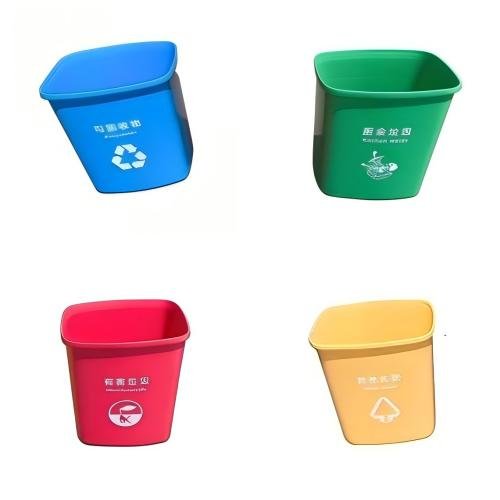
1. Introduction: The World’s Most Versatile Polymer
Polyethylene (PE) holds the distinction of being the most produced plastic globally, with annual production exceeding 100 million tons. Its remarkable versatility stems from its relatively simple chemical structure, which can be engineered into various densities and molecular configurations. While commonly associated with blow-moulded bottles and extruded films, injection moulding represents a crucial processing method for PE, enabling the production of durable, complex parts across virtually every industry sector.
From household containers and children’s toys to industrial components and automotive parts, PE injection moulding combines material accessibility with processing efficiency. This comprehensive guide explores the technical nuances of polyethylene injection moulding, covering material variants, processing parameters, design considerations, and emerging trends that are shaping the future of this essential manufacturing process.
2. Material Science: Understanding Polyethylene Variants
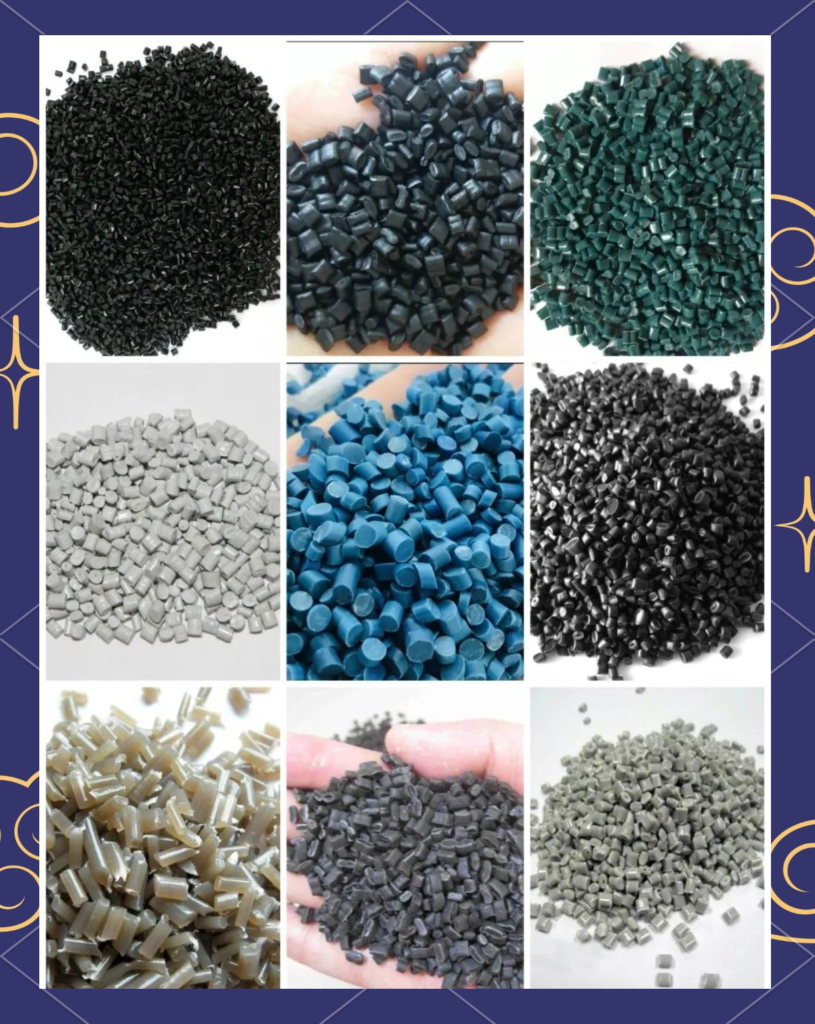
Polyethylene’s performance characteristics are primarily determined by its density and branching structure, leading to three main commercial grades:
Low-Density Polyethylene (LDPE)
Structure: Highly branched polymer chains creating a less compact structure
Density: 0.910-0.925 g/cm³
Properties: Excellent flexibility, clarity, and impact strength; good chemical resistance
Typical Applications: Flexible lids, squeezable bottles, laboratory equipment, protective caps
Processing Notes: Lower melting point (105-115°C), relatively easy flow characteristics
High-Density Polyethylene (HDPE)
Structure: Linear chains with minimal branching, allowing tight packing
Density: 0.941-0.965 g/cm³
Properties: High stiffness, tensile strength, and chemical resistance; good moisture barrier properties
Typical Applications: Rigid containers, industrial parts, crates, pallets, food handling equipment
Processing Notes: Higher melting point (120-130°C), requires more injection pressure than LDPE
Linear Low-Density Polyethylene (LLDPE)
Structure: Controlled short-chain branching
Density: 0.915-0.925 g/cm³
Properties: Superior toughness, puncture resistance, and environmental stress crack resistance compared to LDPE
Typical Applications: Thin-walled containers, lids, caps, and applications requiring high impact strength
Processing Notes: Processes at temperatures between LDPE and HDPE
Specialty Grades:
UHMWPE: Ultra-high molecular weight PE with exceptional wear resistance
Cross-linked PE: Improved temperature resistance and dimensional stability
Bio-based PE: Derived from renewable resources like sugarcane
3. The Injection Moulding Process for PE: Technical Considerations
Material Preparation and Drying
Unlike many engineering plastics, most polyethylene grades require minimal drying before processing. However, proper material handling is essential:
Moisture Content: Typically <0.1% moisture acceptable for standard grades
Regrind Usage: PE generally tolerates 20-30% regrind without significant property degradation
Colorant Addition: Excellent compatibility with most pigments and masterbatches
Machine Configuration Requirements
Screw Design: Standard general-purpose screws with L/D ratio of 20:1 to 24:1 are suitable
Nozzle Type: Open nozzle or shut-off nozzle both acceptable depending on application
Clamping Force: Moderate requirements (2-5 tons per square inch of projected area)
Processing Parameters by Grade:
| Parameter | LDPE | HDPE | LLDPE |
|---|---|---|---|
| Melt Temperature | 160-220°C | 180-260°C | 170-240°C |
| Mould Temperature | 20-50°C | 30-70°C | 20-60°C |
| Injection Pressure | Medium (500-1000 bar) | High (700-1400 bar) | Medium-High (600-1200 bar) |
| Injection Speed | Medium-Fast | Medium | Fast |
| Cooling Time | Short (10-30 sec) | Medium (20-60 sec) | Short-Medium (15-40 sec) |
4. Critical Processing Parameters and Their Optimization
Temperature Management
Barrel Zones:
Rear zone: 160-180°C (HDPE) or 140-160°C (LDPE)
Middle zones: 180-220°C (HDPE) or 160-200°C (LDPE)
Front zone/nozzle: 200-240°C (HDPE) or 180-220°C (LDPE)
Thermal Degradation: PE is relatively stable but can degrade above 300°C, leading to odor and discoloration
Pressure and Speed Optimization
Packing Pressure: Critical for minimizing shrinkage and sink marks
Holding Time: Should continue until gate freeze-off (typically 5-15 seconds)
Speed-Pressure Balance: Higher speeds generally reduce viscosity (shear thinning effect)
Cooling System Design
PE’s relatively high shrinkage rate (1.5-4.0%) demands efficient, uniform cooling
Conformal cooling channels often provide benefits for complex parts
Coolant temperature control within ±2°C recommended
5. Part Design Guidelines for Polyethylene
Wall Thickness Considerations
Recommended Range: 0.8mm to 6.0mm
Uniformity: Critical to prevent warpage and sink marks
Transition Areas: Gradual changes in thickness (3:1 maximum ratio)
Draft Angles
Minimum: 1° per side for shallow features
Recommended: 1.5-2° for textured surfaces
Deep Draw Parts: 3° or more to facilitate ejection
Rib and Boss Design
Rib Thickness: 40-60% of adjacent wall thickness
Rib Height: Maximum 3 times wall thickness
Boss Design: Should be cored out to maintain uniform wall thickness
Corner Radii
Internal Corners: Minimum radius of 0.5 times wall thickness
External Corners: Radius should equal internal radius plus wall thickness
Living Hinges
Thickness: 0.25-0.50mm
Material Flow: Must be parallel to hinge axis
Design: Should incorporate generous radii at hinge extremities
6. Tooling Design Specifics for PE
Mould Material Selection
Production <100,000 cycles: Pre-hardened steels (P20, NAK80)
Production >1,000,000 cycles: Hardened tool steels (H13, S7)
Prototype Moulds: Aluminum or soft steels
Gate Design
Edge Gates: Most common, easy to trim
Tab Gates: Help reduce jetting in thin-walled parts
Hot Runner Systems: Increasingly popular for multi-cavity production
Gate Size: Typically 0.5-1.0mm thickness, width depends on part geometry
Venting Requirements
PE’s rapid injection can trap air; adequate venting is crucial
Vent Depth: 0.015-0.030mm for HDPE, 0.020-0.040mm for LDPE
Location: At end of fill and weld line areas
Surface Finishes
Texturing: PE accommodates a wide range of textures
Polishing: SPI A-1 to B-3 finishes common
Ejection: Higher gloss increases ejection resistance
7. Troubleshooting Common PE Injection Moulding Defects
| Defect | Possible Causes | Corrective Actions |
|---|---|---|
| Sink Marks | Insufficient packing, excessive wall thickness, high melt temperature | Increase holding pressure/time, redesign thick sections, lower melt temp |
| Warpage | Non-uniform cooling, differential shrinkage, improper gate location | Improve cooling uniformity, adjust mould temperature, optimize gate position |
| Jetting | Gate too small, injection speed too high, melt temperature too low | Enlarge gate, reduce injection speed, increase melt temperature |
| Short Shots | Insufficient material, low melt temperature, inadequate venting | Check material volume, increase temperature, add/clean vents |
| Weld Lines | Multiple flow fronts, low melt temperature, poor gate location | Increase temperature and injection speed, relocate gates, improve venting at weld areas |
| Flash | Excessive injection pressure, worn tooling, insufficient clamping force | Reduce pressure, repair tool, increase clamp force |
| Poor Ejection | Insufficient draft, high shrinkage on cores, vacuum formation | Increase draft angles, polish cores, add air ejection or stripper plates |
Material-Specific Issues:
Environmental Stress Cracking: Particularly relevant for HDPE in contact with certain chemicals
Post-Mould Shrinkage: Continues for 24-48 hours after ejection
Weld Line Weakness: More pronounced in HDPE than in LDPE
8. Advanced Processing Techniques for Polyethylene
Multi-Material/Overmoulding
PE often serves as substrate for TPE/TPR overmoulding
Applications: Soft-grip handles, seals, decorative elements
Compatibility considerations critical for adhesion
Gas-Assisted Injection Moulding
Benefits: Reduced weight, elimination of sink marks, lower clamp tonnage
Particularly effective for thick-sectioned PE parts
Common applications: Handles, furniture components, automotive trim
In-Mould Decoration/Labelling
Growing application for PE containers and lids
Allows high-quality graphics on curved surfaces
Eliminates secondary decoration operations
Foam Injection Moulding (MuCell®)
Microcellular foam structure
Benefits: Weight reduction, reduced sink marks, dimensional stability
Applications: Large panels, thick-section parts
9. Sustainability and Recycling in PE Injection Moulding
Post-Consumer Recycled (PCR) Content
Processing Challenges: Variable melt flow, potential contamination, color limitations
Equipment Modifications: Improved filtration, vented barrels for volatile removal
Quality Control: Enhanced monitoring for consistency
Design for Recyclability
Material Consolidation: Using single polymer families where possible
Easy Disassembly: Designing for end-of-life separation
Marking and Identification: Following SPI resin identification codes
Biobased Polyethylene
Derived from renewable resources (typically sugarcane ethanol)
Chemically identical to petroleum-based PE
Drop-in replacement with identical processing parameters
Energy Efficiency Improvements
All-electric machines reducing energy consumption by 50-70%
Heat recovery systems
Optimized cycle times through advanced process control
10. Future Trends and Innovations
Industry 4.0 Integration
IoT sensors for real-time process monitoring
Predictive maintenance based on material and machine data
AI-driven parameter optimization
Advanced Materials Development
Enhanced nucleation for faster cycle times
Self-reinforcing PE grades
PE composites with natural fibers
Digital Manufacturing Technologies
3D printed conformal cooling inserts
Digital twin simulation for first-time-right moulding
Augmented reality for maintenance and troubleshooting
Circular Economy Initiatives
Chemical recycling to virgin-quality PE
Advanced sorting technologies (AI, NIR, markers)
Standardized recycled content specifications
11. Conclusion: The Enduring Relevance of PE Injection Moulding
Polyethylene injection moulding remains a cornerstone of global manufacturing, combining material versatility with processing efficiency. Its continued evolution—driven by sustainability imperatives, digital transformation, and material innovations—ensures its relevance for decades to come. Success in PE injection moulding requires a holistic understanding spanning material science, process engineering, tool design, and application requirements.
As the industry moves toward more sustainable practices and smarter manufacturing systems, polyethylene’s fundamental advantages—chemical resistance, processing flexibility, and cost-effectiveness—position it as a material of choice for both traditional and emerging applications. The future of PE injection moulding lies in balancing these inherent advantages with environmental responsibility and technological innovation, creating value across the entire product lifecycle from design to end-of-life recovery.